Condylomata: What to Look Out For
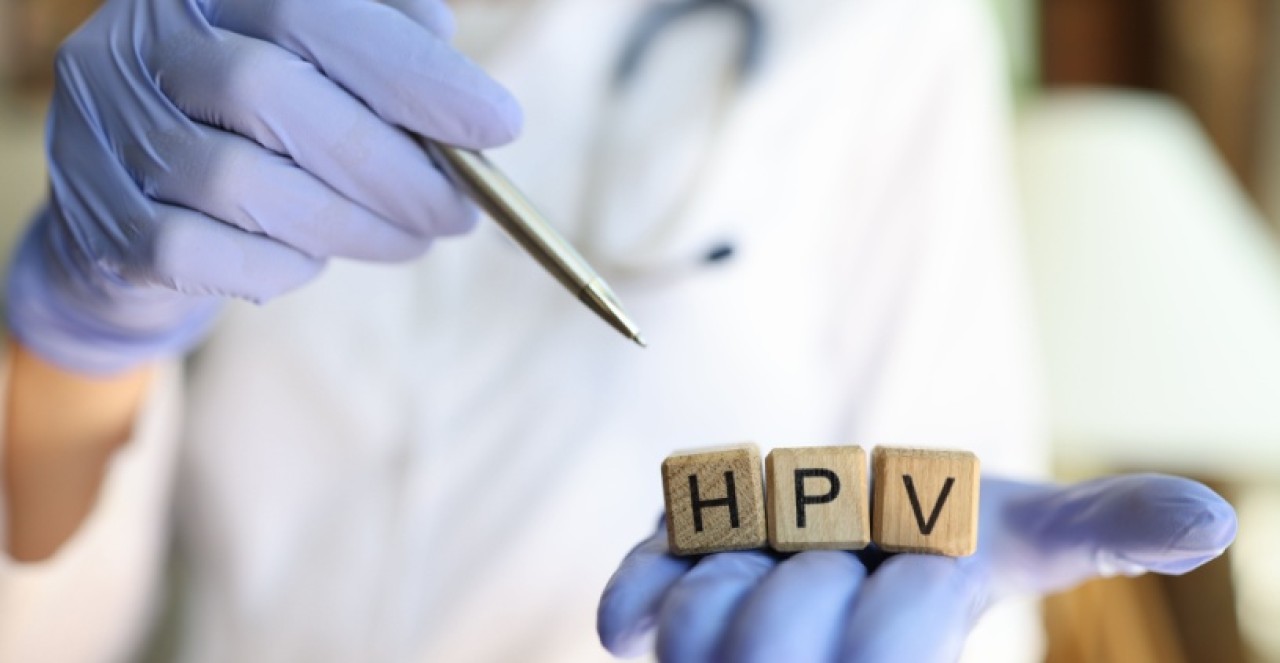
Condylomata are among the most common sexually transmitted diseases, especially during the summer months when there is an increase in sexual activity. This increase is often due to the relaxation of vacations, alcohol consumption, and the exchange of sexual partners without protection, resulting in easier transmission of HPV (human papillomavirus).
What Is the HPV Virus?
HPV is a family of viruses that includes over 150 different strains, some of which are responsible for the development of condylomata. It is estimated that 50-70% of sexually active men and women will be infected with the HPV virus at some point in their lives. However, only a small percentage will develop visible condylomata, as the immune system can often fight off the virus.
How Is the Virus Transmitted?
The main route of transmission of HPV is sexual contact. Risk factors include:
- Starting sexual activity at a young age.
- Not using condoms.
- Having multiple sexual partners.
- Taking oral contraceptives for more than five years, as many women stop using condoms.
- Presence of other sexually transmitted diseases.
Condylomata can appear from 1 to 10 months after initial infection. Although some people may carry the virus without symptoms, stress, poor diet, and alcohol consumption can lower the body's defenses and allow the appearance of condylomata.
How Are Condylomata Recognized?
Condylomata appear as small, pinkish or skin-colored bumps, usually without symptoms. Over time, they may grow and merge with each other, forming irregular surfaces that are palpable by touch. They are mainly found in the genital area, the anus, and the area around the anus, but can also appear in the oral cavity.
Diagnosis and Screening
Diagnosis of external condylomata is performed by a specialist doctor, such as a dermatologist or a sexologist, through visual examination or the use of a magnifying lens. Cervical screening is done with a PAP Test and colposcopy, while for the anus, proctoscopy is used. If there are external condylomata, screening with an HPV Test is the safest method for diagnosing possible infection.
Prevention of Condylomata
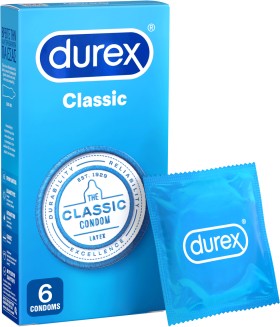
The best prevention method is the use of condoms during every sexual contact. However, condoms do not provide complete protection, as areas of the skin not covered can be infected by the virus. Other preventive measures include:
- Avoiding micro-injuries in the genital area, such as shaving.
- Frequent self-examination for any changes in the skin.
- HPV vaccination with the quadrivalent vaccine, which protects against strains 6, 11, 16, and 18.
Treatment of Condylomata
Treatment of condylomata includes several options, such as:
- CO2 Laser: Targeted removal of lesions without affecting healthy skin.
- Electrocautery: Cauterization of condylomata with electric current.
- Cryotherapy: Use of liquid nitrogen to remove lesions.
- Topical formulations: pharmaceutical creams that help in the treatment of condylomata.
CO2 Laser Treatment is considered the most modern method, as it allows the removal of condylomata without causing scars or damage to the surrounding healthy skin.
It is essential, alongside treatment, to check the sexual partner to reduce the risk of recurrence.