Skincare for Women: Where Does the Choice Begin
Women's skincare is not a list of products, it is a series of decisions. What skin type, what season, what age, how much time in the morning. This section acts as a map: nine main axes, each with its own subcategories, so you can reach the specific shelf without getting lost among thousands of codes.
A misconception worth dispelling from the start: more products do not mean better results. Three well-chosen steps, consistently, give more visible improvement than ten steps alternating every month. The criterion is not quantity but suitability.
The Nine Axes and When to Use Each
Daily Skin Care
The Face is the axis with the most options, from cleansing and hydration to targeted active ingredients, and that's where you go when your concern is the skin from the neck up. The Body covers everything that happens in the shower and after the shower, i.e. cleansing, hydration of large surfaces, deodorants and fragrances. The Care for Extremities is the right approach when the problem is located in hands, feet or nails, areas that are more troubled and need different, denser textures.
Hair and Scalp
In Hair you go either for the daily washing and nourishment routine or for something more specific, like a sensitive scalp, a home dye or a period of increased shedding. The logic here differs from skin: the scalp is treated like skin, the lengths like material that has been worn out.
Protection and Color
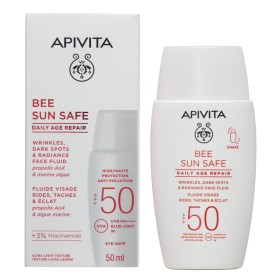
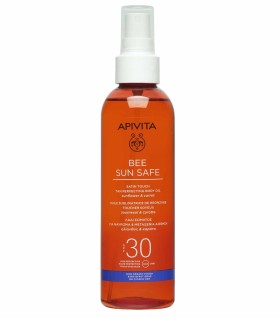
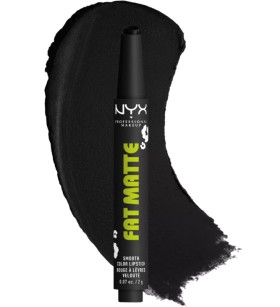
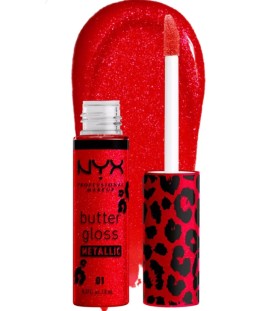
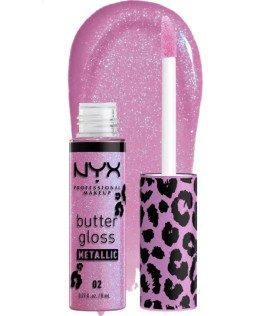
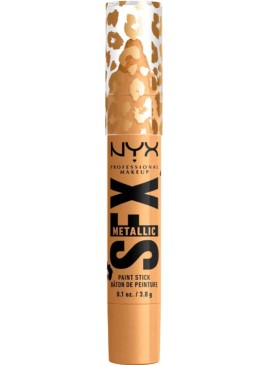
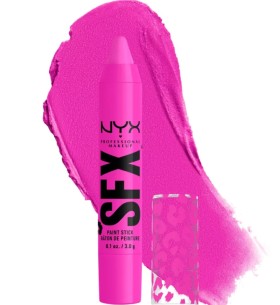
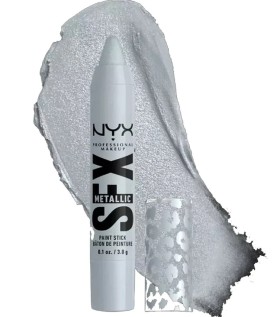
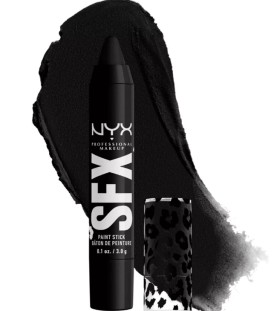
The Sunscreen Protection is the axis that concerns all time and not just summer, with separate solutions for face, body, hair and after exposure. The Makeup you choose when you are looking for coverage, color or correction, with formulas that coexist smoothly with the skincare routine instead of canceling it.
Special Needs and Care Philosophies
The Healthy Sensitive Area addresses needs not covered by a common body wash, from daily cleanliness to managing menstruation and menopause. The Korean Beauty is the choice for those who want multiple light layers, soaked masks and fast-absorbing textures. The Dermacosmetics bring together the lines that circulate mainly through pharmacy, with lean formulations and tolerance tests, and are the first point for sensitive or demanding skin.
What’s Worth Checking Before You Choose
- Type and Condition: skin type is constant, condition changes with the season and stress. The texture of the product follows the condition.
- Texture before Ingredient: a correct active ingredient in the wrong texture is never used enough to deliver.
- Fragrance and Aroma: the first to remove when there is stinging or redness.
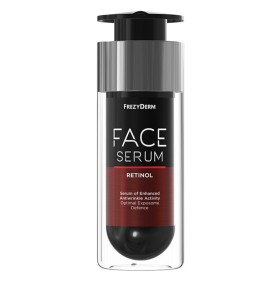
- Packaging: pump and airtight container best protect unstable ingredients like vitamin C and retinol.
- Frequency: exfoliants and active anti-aging build gradually, don’t start daily.
- Compatibility: fewer combinations of actives at the same time means less chance of irritation.
Brands That Stand Out in Preferences
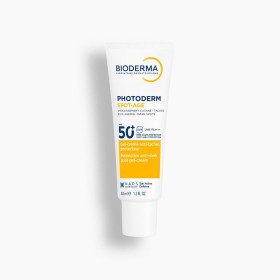
In dermacosmetics, La Roche-Posay Effaclar and La Roche-Posay Cicaplast dominate, with Vichy Dercos being a steady choice for the scalp. Bioderma Sensibio remains a reference point for cleansing, while Avene Cleanance caters to oily skin. In body hydration, Bepanthol and CeraVe Moisturising stand out. Frezyderm Sun Screen and Frezyderm Sea Side cover the sunscreen need, Apivita Cleansing and Korres Argan Oil the natural direction, and Pharmasept Tol Velvet the mild everyday hygiene.
How to Build a Routine That Lasts
Start with three steps and stick with them for six weeks: cleansing, hydration, sunscreen in the morning. Add just one new active each time and give it time, because the skin renews in cycles of weeks, not days. Keep the evening for the richer textures and more demanding ingredients. The most common mistakes are three: too aggressive cleansing, skipping sunscreen in the winter months, and constant product switching before any effect can be seen.
Frequently Asked Questions
Where to Start if I Have No Routine?
With a mild cleanser and a broad-spectrum sunscreen. These two make the biggest difference per euro and per minute. The moisturizer comes third and is chosen based on how the skin feels after cleansing.
Do I Need Different Products for Each Season?
Usually the texture changes, not the logic. In winter a richer cream and a milder cleanser, in summer lighter gels and more frequent sunscreen application.
Can I Use the Same Products as My Partner?
In many cases yes, especially with cleansers, sunscreens and body products. Differences mainly concern skin thickness and fragrance, not the basic composition.
When Should I See a Dermatologist Instead of Changing Products?
When there is persistent redness, itching, wounds, severe hair loss or a change in moles. These are not cosmetic choice issues.
The information on this page is informational and concerns cosmetic products and personal care items. It does not replace the advice of a dermatologist, gynecologist or pharmacist.