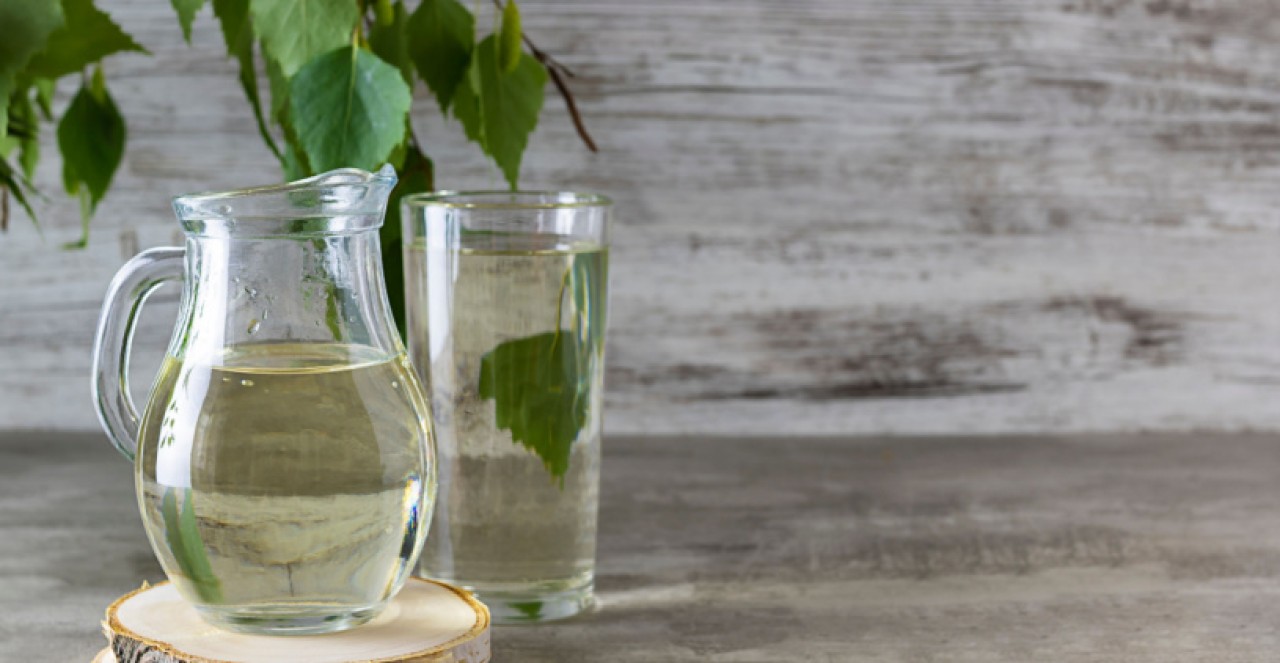
The elm is a deciduous tree that can reach a height of up to 25 meters and blooms in April and May. The tree is characterized by its thin, papery bark, which is stripped off in plates. It has many varieties that thrive in Europe, America and Asia and responds to temperate climates such as forests and gardens.
The young leaves of the elm, rich in saponins, are used for therapeutic purposes. They contain flavomic, a diuretic derivative, hyperoside, terpenoids and tannins.
Properties
The elm acts as a diuretic, helping in fat burning and in reducing uric acid and helps in activating metabolism. The elm leaf infusion has significant effects in addressing cellulite.
The bark helps in hair loss, in reducing sugar, in expelling kidney stones, deflating edemas, toning bile secretions and strengthening the function of arteries.
Preparation methods.
We put 2 teaspoons of dry elm leaves in a cup of boiling water and leave it for 10 minutes. Then we strain it, drink it three times a day for three weeks, take a break for a week and continue.
- For external use against cellulite.
We apply the infusion as a compress to the areas with cellulite and leave it for 15 minutes.