Ferritin:
Ferritin is a protein molecule found inside cells. Its role is to store iron so that our body can use it in the long term. A blood test can reveal if ferritin levels are below normal, meaning that iron stores in the body are low.
Fasting for 12 hours before the test is usually recommended. It is also best to have the test in the morning.
Purpose of the Test
The purpose of the test is to show ferritin levels in the blood. The result is indicative of iron stores in the body. Iron is essential for the production of red blood cells, which provide oxygen to the tissues. The doctor may ask you to have a ferritin test if you show symptoms of anemia – a condition in which iron is low, resulting in not enough healthy red blood cells to carry oxygen to the tissues.
Normal Levels
For men: 12-300 ng/mL (nanograms per milliliter)
For women: 12-150 ng/mL
High/Low Ferritin
High ferritin levels may be due to an inflammatory disorder. Three common causes that explain the high levels are: alcoholic liver disease, frequent blood transfusions or hemochromatosis (a genetic disorder).
On the other hand, low ferritin levels may be due to: intestinal disorders that do not allow iron absorption, anemia, digestive hemorrhages. In women, another possible cause is significant bleeding during menstruation.
Food Combinations to Increase Ferritin
Ferritin is a protein that is naturally produced by the body and is found inside cells. Ferritin stores iron so that our body can use it whenever it is needed. Ferritin levels, as measured by a blood test, are a key indicator for diagnosing anemia.
Ferritin is the control mechanism for iron stores in the body. When we take more iron than we need, ferritin stores the excess iron inside itself. If iron levels decrease, ferritin automatically releases the stored iron to compensate for the deficiency.
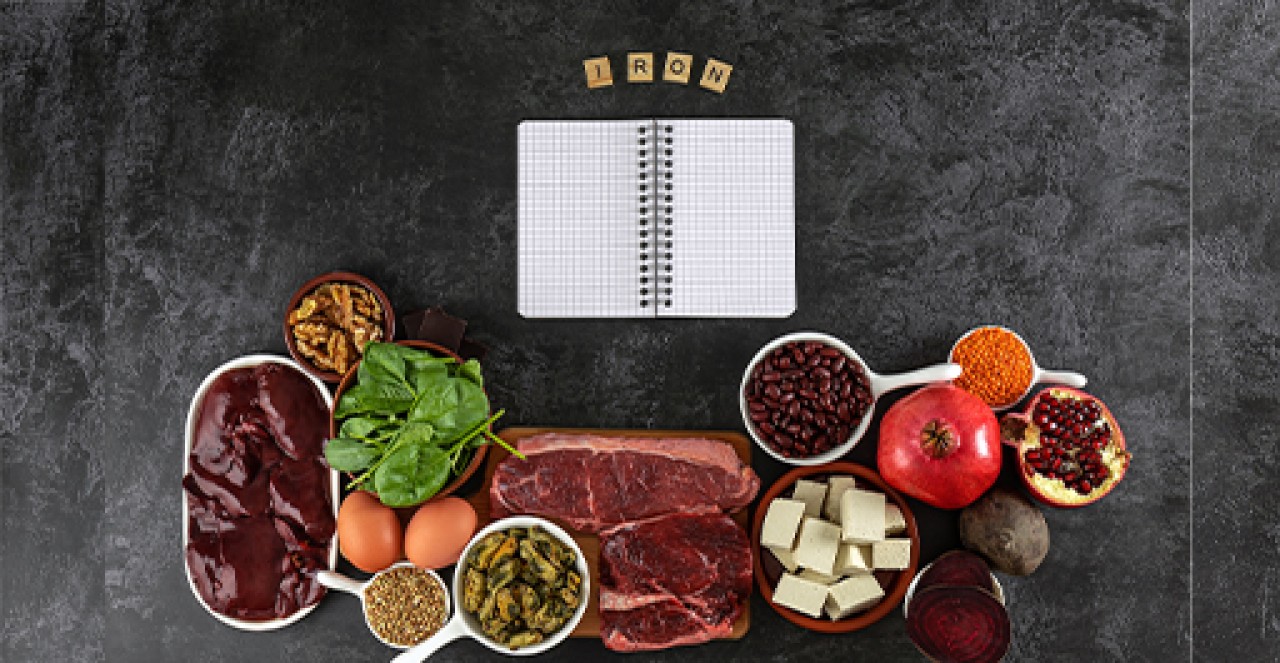
The best sources of iron in our diet include:
- Liver
- Cocoa
- Beans
- Lentils
- Chickpeas
- Chocolate
- Lamb Meat
- Shrimps
- Squid
- Dried Fruits
- Eggs
- Spinach
- Turkey
- Beef
- Smoked Fish
- Fatty Fish
- Pork
- Chicken
- Nuts
The ability to absorb iron depends on the form of iron, whether it is heme or non-heme iron.
Heme iron (iron of animal origin) is absorbed more easily by the body and is found in foods such as shellfish, red meat, poultry and fish. The body absorbs 15-35% of the total heme iron we consume.
Non-heme iron (iron mainly of plant origin) is not absorbed as easily and is found in cereals, legumes, spinach, etc. Non-heme iron sources also contain phytate salts, which bind iron and help in its transport and absorption.
Factors that Promote Iron Absorption
Iron absorption is an important factor for maintaining the health of the body. Some factors encourage the absorption of iron by the body, while others may hinder it.
- Vitamin C: Vitamin C found in foods such as oranges, lemons, broccoli and Brussels sprouts helps increase the absorption of iron from the gastrointestinal tract.
- Lamb Meat and Poultry: High-iron sources such as lamb meat and poultry encourage the absorption of iron from other food sources.
- Salmon: Salmon is rich in iron and promotes its absorption by the body.
- Pork: Although some people avoid pork due to its high fat content, it is a good source of iron that encourages its absorption.
- Citric Acid: Fruits such as lemons, grapefruits and strawberries contain citric acid, which also helps in the absorption of iron.
Components that Inhibit Iron Absorption
There are also some components that may inhibit iron absorption:
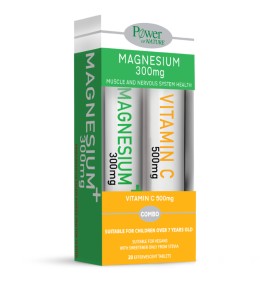
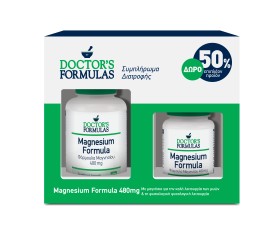
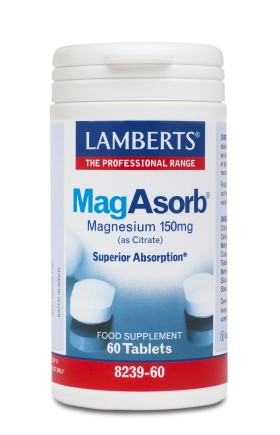
- Calcium, Zinc, Magnesium and Copper: These elements, which are found in foods such as milk, calcium and cereals, may inhibit the absorption of iron by the body.
- Mint, Chamomile, Coffee and Cocoa: Aromatic plants such as mint and chamomile, as well as drinks such as coffee and cocoa, may reduce iron absorption.
Nevertheless, you do not need to exclude these foods from your diet. Simply avoid consuming them before or after meals rich in iron, as this may reduce the effectiveness of its absorption.
Food Combinations for Iron Absorption
One way to increase iron absorption is to combine iron-rich foods with other foods that promote its absorption. Some good combinations are:
- Salads with Nuts and Fruits: Add nuts and fruits such as avocado and orange to your salads for a tasty and healthy option.
- Lemon in Legumes: Add lemon to your legumes to increase iron absorption.
- Lentils and Chickpeas: Enjoy lentils and chickpeas as a rich source of iron and plant-based proteins.
- Salads with Cheese or Egg: Add cheese or egg to your salads for a tasty and nutritious option.
By following these dietary tips and combining foods properly, you can improve iron absorption and maintain your health.