What is Influenza Type A?
Influenza Type A is one of the most common and contagious forms of seasonal flu and is caused by the Influenza A virus. Influenza viruses are divided into three main categories: Type A, Type B and Type C, with Type A often responsible for more severe outbreaks.
The influenza Type A virus is easily transmitted through droplets (coughing, sneezing, talking) and can affect people of all ages. Although in many cases the symptoms are mild and self-limiting, there are also serious forms of the disease, especially in the elderly, children and people with weakened immune systems.
What are the symptoms of Influenza Type A?
The symptoms of Influenza Type A usually appear suddenly and are intense:
- High fever
- Chills
- Muscle and joint pains
- Severe headache
- Sore throat
- Dry cough
- Severe fatigue and weakness
- Nausea or vomiting
Possible complications
If influenza Type A is not properly managed, it can lead to complications such as:
- Otitis
- Abdominal pain
- Chest pain
- Asthma attack
- Pneumonia
- Bronchitis
- Acute Respiratory Distress Syndrome
How long does Influenza Type A last?
The duration of influenza Type A is usually 5 to 7 days. However, symptoms such as fatigue and cough may persist for several weeks after recovery.
In some severe cases, the patient may remain contagious for a longer period, especially if their immune system is weakened.
Tips for immediate relief from Influenza Type A
Proper management can reduce the duration and intensity of symptoms.
- Pain relievers & Antipyretics
Paracetamol or ibuprofen help reduce fever, headache and muscle pain.
- Adequate hydration
Consume plenty of fluids (water, broths, teas, natural juices) to avoid dehydration. Soup helps to thin the mucus.
- Rest & Sleep
Rest is essential for the immune system to fight the virus more effectively.
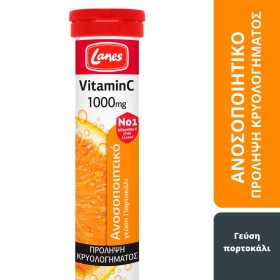
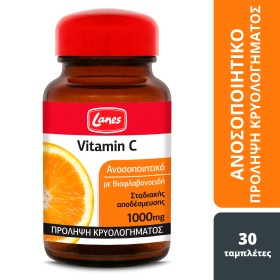
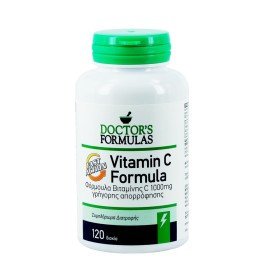
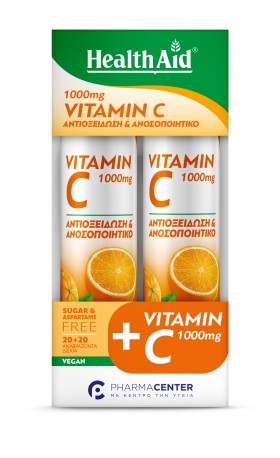
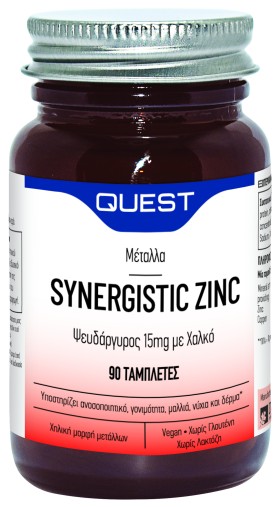
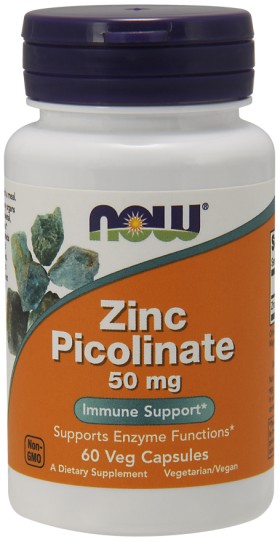
- Vitamin C & Zinc
Vitamin C and zinc supplements can boost the body's defense and reduce the duration of symptoms.
- Gargling with Salt Water
Gargling with warm salt water reduces sore throat and inflammation.
- Warm Drinks & Honey
Teas with honey and lemon soothe the throat. Beneficial herbs are:
- Green or black tea
- Ginger
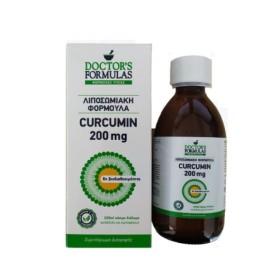
- Turmeric
- Garlic
- Clove
- Humidifier or Steam Inhalation
Humidity relieves nasal irritation and facilitates breathing.
- Light & Nutritious Diet
Prefer light meals rich in nutrients, such as soups and vegetables.
When should I see a doctor?
Although most cases resolve within a week, it is necessary to see a doctor if you experience:
- Difficulty breathing
- Severe chest pain
- Persistent vomiting
- Fever with rash
- Worsening of symptoms or prolonged duration