Lice in Hair: The Complete Prevention and Treatment Guide
As school starts, lice return almost on schedule. It is not a matter of cleanliness and they do not "fly" from head to head; they are transmitted through direct contact and through shared objects. In this guide you will see how to recognize early if your child has lice, how to treat them properly with anti-lice treatments or with wet combing, and most importantly how to avoid the reinfection that plagues most families.
What are lice and how are they transmitted?
Head lice is a tiny insect that lives on the scalp and feeds on blood. Its eggs, the nits, stick firmly to the base of the hair and are easier to spot than the lice themselves, which move and hide. Transmission mainly occurs through head-to-head contact and secondarily through shared combs, hats, towels or pillows. That is why school classes, playgrounds and extracurricular activities are the most common "transfer" sites.
How to tell if your child has lice
The most reliable way to diagnose is to comb wet hair: lice stop moving when wet and are easier to spot. Check for:
- Persistent itching (itch), especially behind the ears and in the neck.
- Small gray nits crawling on the scalp.
- White nits stuck near the hair root that do not come off with scratching, unlike dandruff.
Use good lighting and a special anti-lice comb, combing thoroughly from root to tip.
Treatment: Anti-lice treatments or wet combing?
There are two main, accepted approaches and they are often combined.
1. Anti-lice formulations
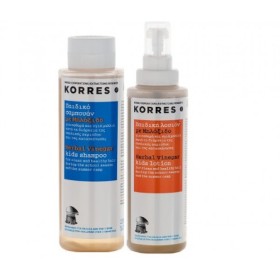
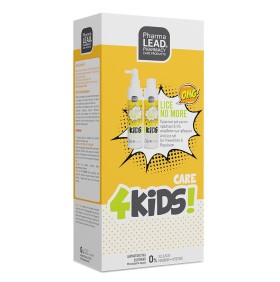
Modern anti-lice lotions and anti-lice shampoos contain formulations that act mainly physically/mechanically (e.g. based on dimethicone), "asphyxiating" the lice, as well as classic insecticide formulations. Always read the instructions carefully: application time, age limits and very importantly repeating after 7–9 days to cover the nits that hatch.
2. Wet combing (wet combing)
If you want to avoid formulations or the child is very young (under 2 years), wet combing is an effective method: wet the hair, apply plenty of emollient cream and comb thoroughly with a fine comb, cleaning the comb at each pass. Repeat every 3–4 days for at least two weeks.
Step-by-step lice removal
- Divide the hair into small sections with clips.
- Comb each section from root to tip, on a white paper or towel.
- Clean the comb at each pass.
- Remove visible nits with nails or special comb.
- Repeat the check in 3–4 days if you find new nits in a child who has not been treated, needs anti-lice treatment.
Prevention & avoiding reinfection
Reinfection is the number one reason lice "don't go away." To break it:
- Do not share combs, hats, ribbons, towels and headphones.
- Check all family members on the same day and treat only those who have them.
- Wash at 60°C sheets, towels and clothes that have been in contact with the head in the last 48 hours; what cannot be washed, in an airtight bag for ~2 weeks.
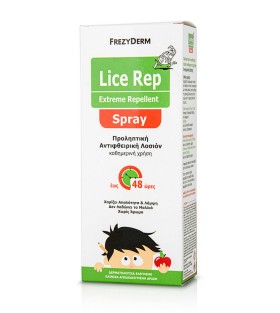
- For students with frequent cases in class, there are repellents sprays for preventive use.
- Inform the school; simultaneous treatment limits spread.
Common mistakes that prolong the problem
- One application without repeating after ~one week.
- Treating only the child and not those who have attached at home.
- Panic and excessive use of insecticides more ≠ better.
- Confusing nits with dandruff and futile treatment.
Frequently Asked Questions
Do lice indicate poor hygiene?
No. Lice affect clean and "dirty" hair equally; they just choose the opportunity of contact.
How quickly do they go away?
With proper treatment and the second application, usually within ~2 weeks. The key is consistency and avoiding reinfection.
Do I need to cut the child's hair?
No, it is not necessary. Lice removal and treatment work regardless of hair length.
Does the child have to stay home from school?
In most cases no after the first proper treatment they can return. Follow the school's policy.
Note: This article is informational and does not replace medical advice. For persistent or recurrent cases, irritation of the scalp or application in infants and pregnant women, consult your pharmacist or doctor.