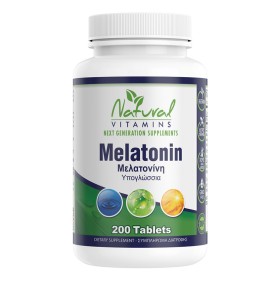
Melatonin: What It Is, When & How to Take It
Melatonin is a hormone that is naturally produced by the body (from the pineal gland) and regulates the sleep-wake cycle. As a supplement, it is widely used for sleep difficulties and for jet lag. See how it works, when and how much to take, and what to watch out for.
The body increases melatonin production in the evening, 'signaling' that it is time to sleep. Light (especially blue light from screens) can inhibit this production.
How it helps
According to approved health claims:
- Contributes to reducing the time it takes to fall asleep (when taken close to bedtime).
- Helps relieve the subjective feeling of jet lag.
It is particularly useful in sleep rhythm disorders, e.g. in cases of time zone changes or shifts.
Dosage & time of intake
Common doses range from 0.3 to ~10 mg. Ideal time: 30 minutes to 2 hours before bedtime, after dinner. If you are taking it for the first time, start with a small dose. Excessive dose may cause drowsiness the next day, headache or nausea. Always adjust in consultation with your pharmacist or doctor.
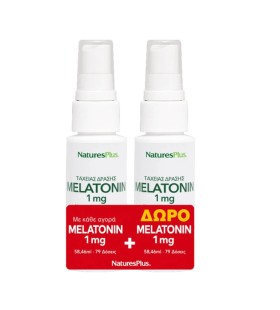
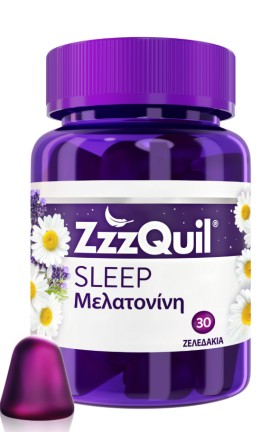
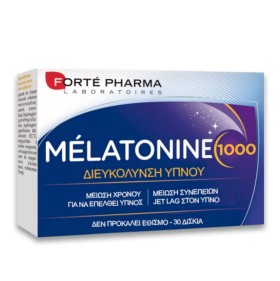
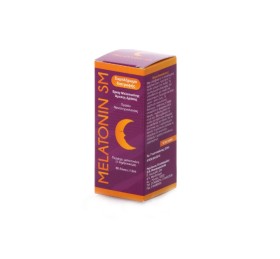
At Smile Pharmacy you will find a wide range of supplements Melatonins from simple formulations to combinations with herbs, such as the Altion 4Sleep or the ZzzQuil Natura melatonin gummies.
Precautions
Avoid driving/operating machinery after taking it. Not recommended for pregnancy/breastfeeding without medical advice. If you are taking medications (e.g. anticoagulants, antiepileptics, immunosuppressants) or have a chronic condition, consult a doctor. For children, only with medical guidance.
Good sleep hygiene
Melatonin works best with proper habits: regular schedule, fewer screens before bed, dark/cool room, limit caffeine in the afternoon.
Frequently Asked Questions
How much melatonin should I take? Start with a small dose (e.g. ~0.5–1 mg) and adjust with the help of your pharmacist.
When should I take it? 30 minutes–2 hours before bedtime.
Does it create dependence? It is not considered addictive, but use it purposefully and not indefinitely without reason.
Editorial: Smile Team.
Informational note: This article is for informational purposes only and does not replace medical advice. For persistent insomnia, consult a doctor or pharmacist.