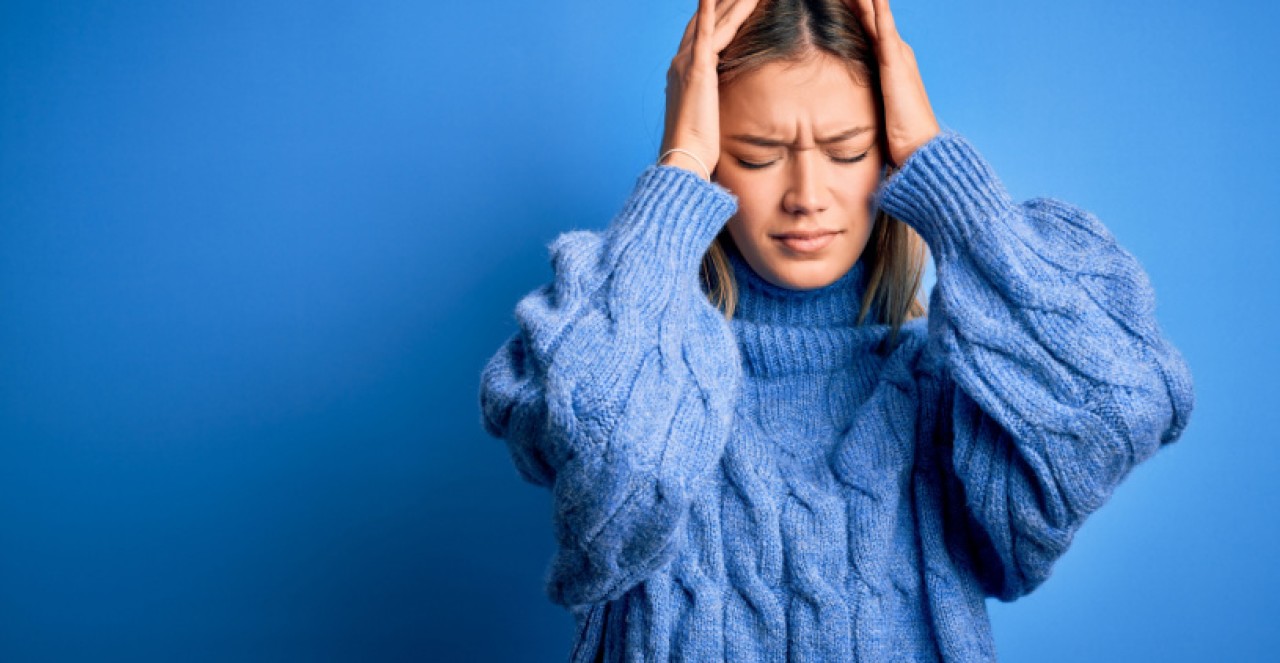
Migraines are a form of chronic headache with intense neurological symptoms. They are characterized by recurrent episodes of headache, (the pain usually manifests on one side of the head) and are accompanied by nausea, vomiting and sensitivity to light and noise.
The episodes can last from several hours to two days and are exhausting, while simple, everyday activities worsen the pain.
Migraine can occur in people of all ages, but is more common in women. 10% of sufferers have an aura, a warning sign before the episode, such as visual or speech disturbance, confusion and numbness or 'pins and needles' of an extremity.
Although migraine is incurable and the mechanism that causes it has not been clarified, it can be controlled with appropriate self-help measures, necessary lifestyle changes and appropriate medical care.
Migraine treatments and medications can help sufferers, reducing or alleviating symptoms and even reducing their frequency and duration.
Since there is no definitive cure, a significant role in limiting symptoms is played by the lifestyle.
→ We avoid the causes that lead to migraine, such as smoking, intense exercise, stress and changes in sleep patterns.
→ We watch our sugar intake. Reducing blood sugar levels leads to migraine, so it is good to have frequent meals. We prefer foods with a low glycemic index, such as fruits, vegetables and low-fat dairy products.
→ We reduce caffeine. Overconsumption of caffeine can cause constriction of blood vessels around the brain, leading to migraine.
→ Ginger. Research has shown that raw ginger soothes nausea and digestive problems, symptoms that accompany migraine but also prevents the inflammation of the brain's blood vessels that causes migraine.
→ Ample water. Proper hydration prevents the shrinkage of brain tissues that leads to irritation and pain.
→ Essential oils. Lavender and mint essential oils have calming and relaxing properties, helping to reduce symptoms.