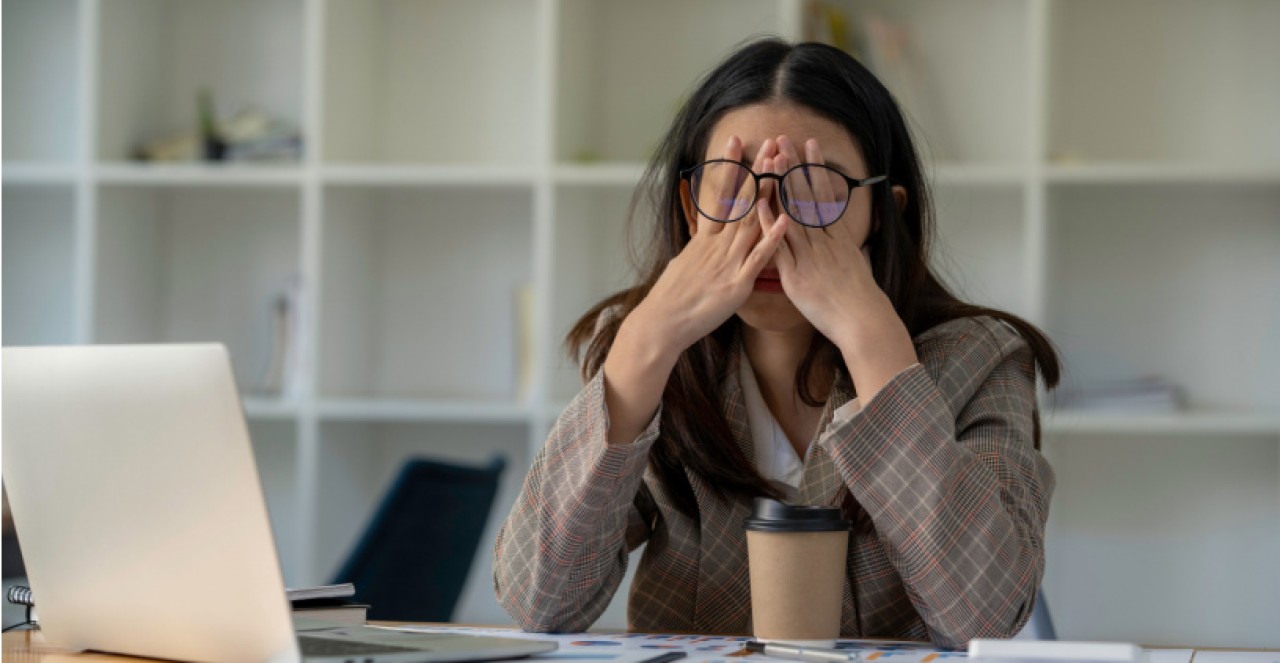
Overexertion, especially when it comes from long hours of work, should be identified and addressed in a timely manner. It is "subtle" and can "strike" where you least expect it.
What is overexertion?
It is when there is a lack of adequate rest for a long period of time, the absence of which leads to a pathological state characterized by persistent exhaustion. The distress causes increased secretion of stress hormones (e.g., glucocorticoids catecholamines), increased blood pressure, increased cardiac output, and rapid heart rate.
Overexertion is often associated with incessant work and the stress of daily life. However, there are other factors that can lead to overexertion. Such factors are: stressful situations or major changes (pregnancy, motherhood, etc.), but also bad habits, such as increased alcohol consumption, sleep deprivation, and poor diet.
Overexertion: Symptoms
Symptoms of overexertion are usually a combination of the following:
1. Intense feeling of persistent disappointment
2. Difficulty in "clear" thinking
3. Avoidance of responsibilities
4. Prolonged stress and anxiety
5. Dry lips
6. Almost daily headaches
7. Getting sick more often
8. Feeling constantly tired
9. Changes in appetite and sleep habits
10. Intense feeling of loneliness
11. Negative thoughts (feeling of failure and self-doubt)
12. Apathy and lack of satisfaction
13. Eating excessively or smoking or drinking too much or all three
14. Hair loss
15. Nausea even if no strenuous physical activity is performed
16. Tired eyes
17. Changes in appetite
18. Decreased libido
Overexertion: Management
There is no single cure for exhaustion. If the causes are of a medical nature, visit your doctor. Schedule an appointment to rule out infections, diseases, vitamin deficiencies, and other health conditions. Additionally, discuss any medications you are taking to ensure they are not the cause of the symptoms.
It is clearly important for the individual to seek help and consult their doctor before proceeding with any treatment. Depending on whether the symptoms are mainly physical or mainly psychological, some doctors resort to the corresponding treatment methods. Doctors may recommend seeking counseling or psychotherapy, such as cognitive-behavioral therapy.
The following lifestyle and dietary modifications can help resolve, if the doctors have ruled out organic causes:
- Improving sleep habits and ensuring adequate sleep: aim for seven to nine hours of sleep each night.
- Regular exercise and balancing exercise and activity: Regular exercise is vital for a healthy lifestyle.
- Limiting caffeine and adequate hydration of the body: balanced, healthy diet to maintain a stable body weight
- Avoid toxins
- Taking dietary supplements if deemed necessary
- Setting realistic goals for workload and good work planning
- Manage stress: Finding time to relax, meditate, and do yoga. Detecting and managing stressors, such as resolving problematic relationships. Avoid consumption of alcohol, nicotine, and illegal substances
Disclaimer
The content of this website is not and should not be considered medical advice, diagnosis, treatment, or recommendation. All information is provided to readers by health professionals solely for informational purposes. There is no intention for the content to replace personalized medical advice, diagnosis, prognosis, or treatment.