Rashes from Stress and Anxiety: How the Nervous System Affects the Skin
Stress and anxiety do not only affect our psychology, but they also have a significant impact on skin health. More and more experts in dermatology and mental health recognize the existence of the so-called psychodermatological axis, which explains the connection between emotional states and skin reactions.
The Close Relationship Between Skin and Mental Health: What is Psychodermatology
Many skin conditions are not limited to biological causes but are also strongly influenced by the mental state of the individual. Stress, depression, and other emotional disorders often exacerbate existing skin conditions or even trigger their onset.
The scientific approach to this interaction is called Psychodermatology, an interdisciplinary field that studies how the mind and skin interact through the brain-skin axis.
Skin and Nervous System: An Ancient Relationship
The connection between the nervous system and the skin tissue begins even in embryonic life. Both originate from the same embryonic layer, the epidermis. Thus, the mind-skin axis is not theoretical but biologically grounded.
Psychodermatological Disorders: Classification
Psychodermatological conditions are classified according to the nature and origin of the symptoms:
1. Skin Conditions Affected by the Psychological Sphere
These are classic skin conditions that are worsened by stress or other psychological conditions:
2. Mental Disorders as a Consequence of Skin Conditions
The presence of a visible skin condition can cause strong feelings of shame, isolation, and social anxiety, resulting in:
- Depression
- Suicidal ideation
- Paranoia and social phobia
3. Primary Psychiatric Disorders with Manifestation in the Skin
Some mental disorders manifest directly through the skin:
- Nervous outbreaks – self-harm due to compulsions
- Trichotillomania – pulling out hair with hands
- Onychophagia – nail biting
- Traumatic acne
- Delusion of parasitosis – feeling of insects on the skin
- Delusion of body odor – false sense of strong body odor
- Body dysmorphic disorder – distorted perception of external appearance
4. Pseudo-Psychodermatological Symptoms
Some neurological or internal diseases are presented through the skin, mimicking psychodermatological conditions:
- Multiple sclerosis – causes delusions similar to delusion of parasitosis
- Temporal lobe epilepsy – may present delusion of body odor
- Malignant anemia – accompanied by neurodermatitis symptoms
- Drug-induced pruritus – intense itching without apparent skin disease
Psychodermatology Today
The modern physician is called to view the human holistically, as a psychosomatic entity. Especially in dermatological conditions, where the image of the skin strongly affects self-confidence and social life, the contribution of psychodermatology is decisive.
Understanding the psychological background of a dermatological problem can contribute not only to better disease management but also to a significant improvement in the patient's quality of life.
How Are Stress Rashes Caused?
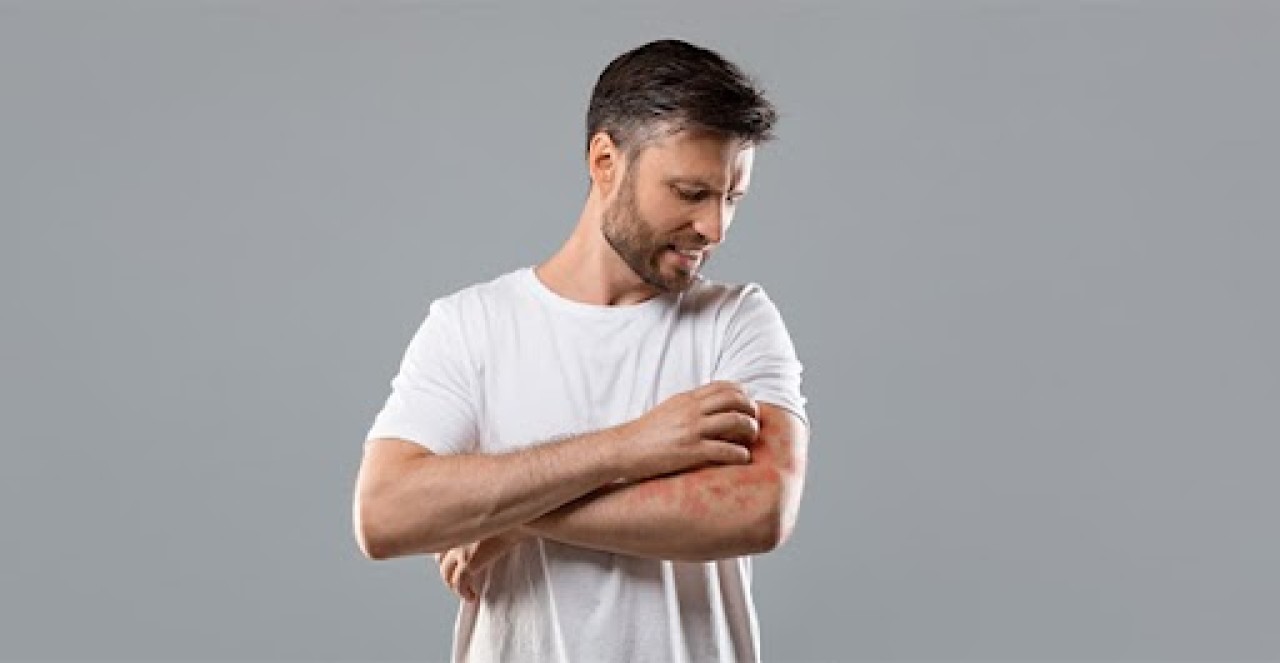
When the body experiences intense stress, it activates the 'fight or flight' mechanism through the production of hormones like cortisol and adrenaline. These substances affect the immune system and can cause:
- Redness and hives
- Intense itching and irritation
- Rashes on the face, neck, chest, or hands
- Appearance or exacerbation of skin conditions such as psoriasis, eczema, acne, and hives
Connection Between Mental Health and Skin
The skin is one of the organs directly affected by stress. Psychological pressure leads to inflammatory reactions and increases the sensitivity of the skin, resulting in skin disorders.
How Are Stress Rashes Treated?
Their treatment is not limited to a dermatological approach. A holistic approach is necessary, including:
- Stress management through techniques such as yoga, meditation, psychotherapy, and physical exercise
- Topical calming formulations with anti-inflammatory action
- Antihistamines for relief from itching
- Adopting an anti-inflammatory diet
- Adequate sleep and rest
When to Consult a Specialist
If the rashes persist or are accompanied by severe symptoms, it is important to consult a dermatologist and psychologist. The combined approach ensures an effective and lasting solution.
Conclusion
Rashes from stress and anxiety are not just a superficial problem but a mirror of the psychological state of the organism. Their treatment requires a combination of physical and mental care. With proper guidance and management strategies, the skin can return to its healthy state.