SPF: What It Is and How It Protects the Skin
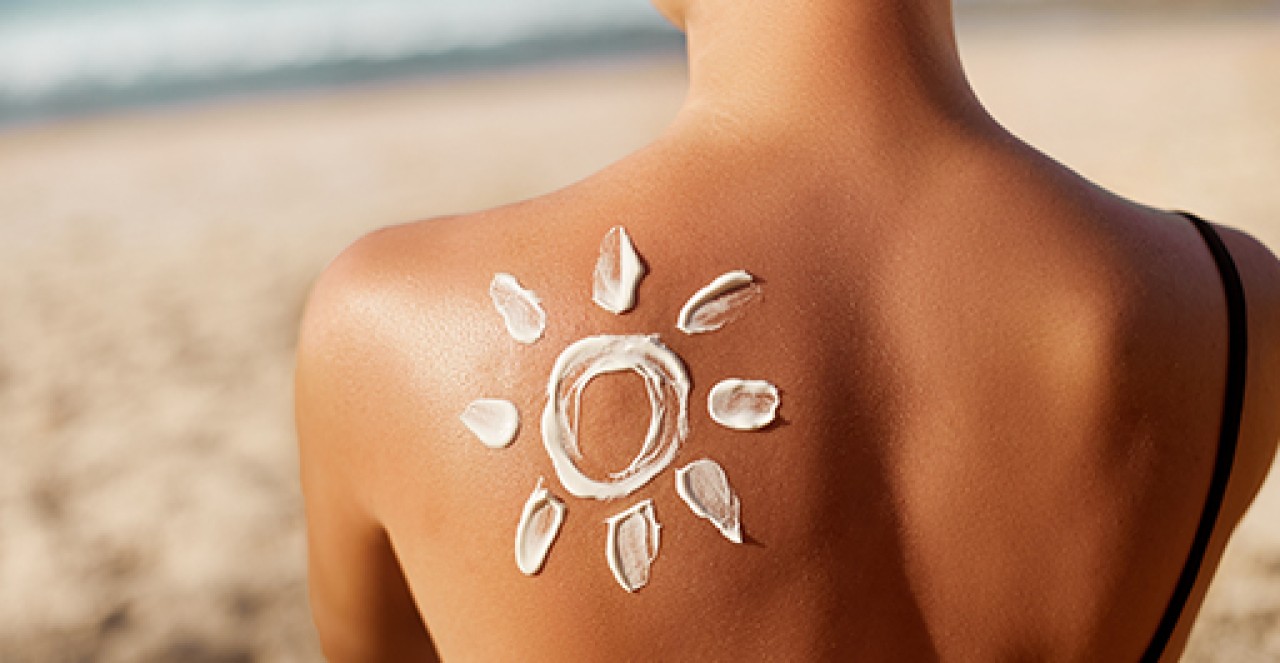
The SPF (Sun Protection Factor) is an index that measures the ability of a sunscreen product to protect the skin from harmful UVB rays, which are primarily responsible for sunburns and skin damage. The higher the SPF index, the more effective the protection against ultraviolet radiation.
What Percentage of Radiation Does Each SPF Block?
In detail, the protection provided by the most common SPF indices is as follows:
- SPF 10: blocks approximately 90% of UVB rays
- SPF 15: prevents approximately 93% of UVB radiation
- SPF 20: offers protection up to 95%
- SPF 30: blocks 97% of rays
- SPF 50: filters approximately 98% of radiation
- SPF 100: provides up to 99% protection
How to Choose the Right SPF Index?
Experts recommend using products with SPF between 30 and 50 for effective daily protection. Although higher indices offer slightly increased protection, the difference is minimal and often creates a false sense of security that may lead to prolonged sun exposure.
It is important to remember that no sunscreen blocks 100% of solar radiation. Consistent and correct use is more effective than relying on a very high SPF.
How Long Does SPF Protect You?
SPF is also calculated as a multiplier of exposure time. If, for example, your skin burns after 10 minutes without protection, with SPF 15 you can stay in the sun for up to 150 minutes (15 x 10). However, this is theoretical time and is affected by:
- The skin type
- The intensity of solar radiation
- The amount of sunscreen you apply
- Sweating or swimming
Dermatologists recommend reapplying every 2 hours or more frequently in conditions of intense activity.
Chemical and Mineral SPF Filters: What Is the Difference?
The chemical (synthetic) filters absorb ultraviolet radiation and convert it into heat. They need about 20 minutes to activate and are absorbed by the skin. They are ideal for daily use as they have a light texture and do not leave white residues.
Conversely, the physical (mineral) filters such as zinc oxide and titanium dioxide, remain on the surface of the skin and reflect UV rays. They offer immediate protection and are suitable for sensitive skin or children.
How Often Should Sunscreen Be Reapplied?
The action of sunscreens diminishes with exposure to sunlight, water, and sweat. For effective protection:
- Apply 30 minutes before sun exposure
- Reapply every 2 hours
- Reapply after swimming, wiping or heavy sweating
Additional Tips for Safe Sun Exposure
Using SPF is just one aspect of sun protection. Combine it with practices that reduce exposure to radiation:
- Avoid the sun between 11 a.m. and 3 p.m.
- Wear protective clothing: hats, long sleeves, sunglasses with UV filters
- Stay hydrated: Drink plenty of water to protect the skin from dehydration
- Do not stay in the sun for tanning – there is always a risk of damage
The correctly chosen and applied sunscreen can make the difference between healthy, youthful skin and premature aging or skin conditions. Stay informed, protect yourself and enjoy the sun responsibly.
UVA & UVB Rays: What Are Their Differences and How They Affect Our Skin
The ultraviolet rays (UV) make up a small percentage of the sunlight that reaches Earth – just 5%. Despite their small quantity, their effect on the skin is extremely powerful. Of these, 95% is UVA and 5% UVB, with long UVA rays covering 75% of the total radiation reaching the surface of the earth.
What Are UVA Rays?
The UVA rays are present throughout the year, even when the sky is overcast. They penetrate clouds, glass and the upper layers of the skin, reaching deeper cells. They do not cause immediate pain, but they are the main cause of photoaging, as they contribute to the premature aging of the skin.
What Are UVB Rays?
The UVB rays have higher energy and are less penetrating. Although they are filtered by clouds and glass, they can reach the skin and cause sunburns, allergic reactions and even skin cancer. They are also responsible for tanning.
What Are the Effects of UVA and UVB on Skin Health?
Solar radiation can provide warmth and well-being, but prolonged exposure without protection has significant negative consequences:
- Photoaging: Reduction of elasticity, appearance of wrinkles and loosening of the skin.
- Sunburns: Burns from UVB radiation are a common sign of overexposure.
- Sun Allergies: Itching, redness and rashes in sensitive individuals.
- Photodermatitis: Skin reaction to UV rays in the form of small rashes.
- Hyperpigmentation: Dark spots and alterations in skin tone.
- Eczema or Rosacea: Increased sensitivity and reactions to sunlight.
- Acne: Temporary improvement but possible worsening after summer.
-
Skin Cancer: Long-term exposure increases the risk of malignancies.