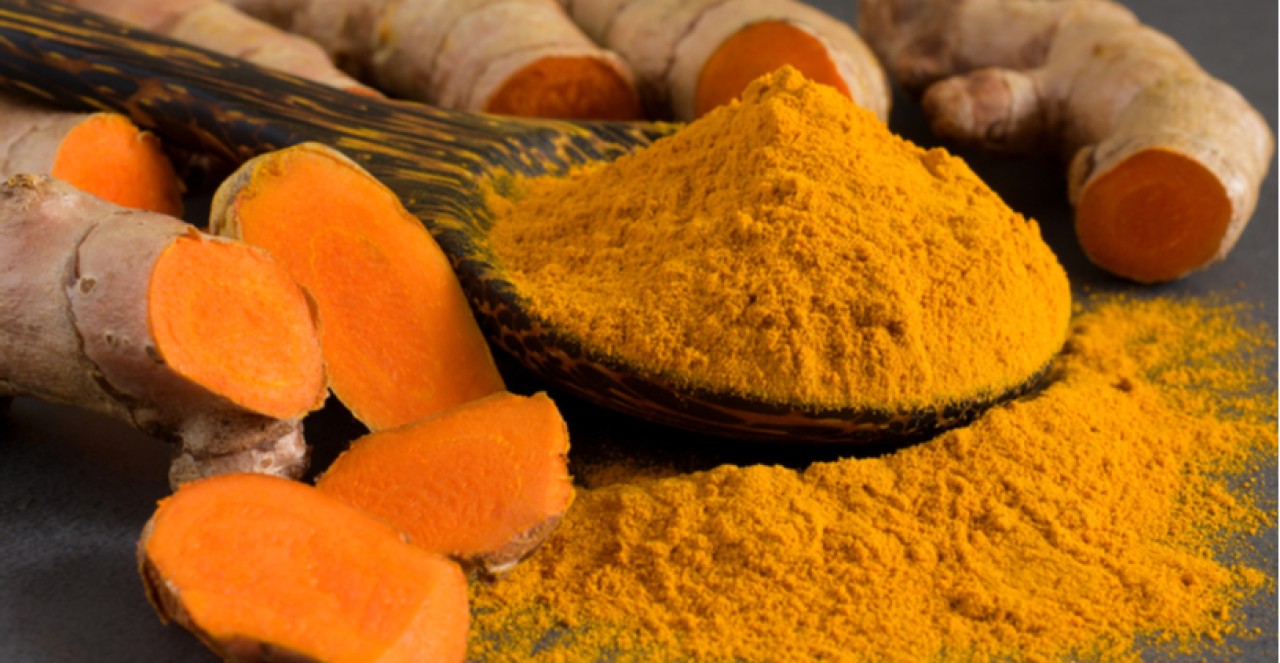
Turmeric is a perennial plant that originates from tropical South Asia with the scientific names Curcuma longa or Curcuma domestica, while in Greece it is also known as yellowroot. Turmeric has been a component of cooking in the Middle East and Southeast Asia for thousands of years, and it was only recently that the Western world discovered its therapeutic properties for the body.
The main benefits of turmeric:
- It is a powerful antioxidant, fighting free radicals that cause various types of cancer such as prostate, skin, and intestinal cancer.
- It is a powerful anti-inflammatory. Research from the University of Arizona has shown that curcumin has anti-inflammatory properties equivalent to cortisone, and as a result, it reduces the pain caused by rheumatoid arthritis, soothes the symptoms of uveitis (chronic eye inflammation), and improves knee function when there is inflammation.
- Curcumin affects the gallbladder, causing increased bile production, which aids in digestion.
- Studies have shown that curcumin prevents the formation of plaque that can block arteries and lead to cardiac and cerebral events, while other studies suggest the daily use of turmeric to prevent the onset of diabetes in prediabetic individuals.
Nutritionists claim that yellowroot (turmeric) as an anti-inflammatory, antioxidant, and antiseptic is a very powerful plant, and they recommend using turmeric as a supplement in food where possible.
As a supplement we can also take the dietary supplement Curcumin Extrakt 45 Dr. Wolz which guarantees a significant increase in the bioavailability of curcumin and provides the body with as much of it as possible so that its benefits can be fully utilized.
The bioavailability of the curcumin in Curcumin Extrakt 45 Dr. Wolz is more than 40 times greater than that of pure powder or conventional curcumin products! How can this be? The lipophilic molecules of curcumin are incorporated into molecules of cyclic oligosaccharides (the so-called cyclodextrins) to form a hydrophilic (water-friendly) outer envelope and a lipophilic cavity inside. The molecules of curcumin remain within this cavity until they reach the intestine. There, they are transported separately from the cyclodextrin molecules to the intestinal wall where they can be absorbed, while the cyclodextrin is broken down and excreted.