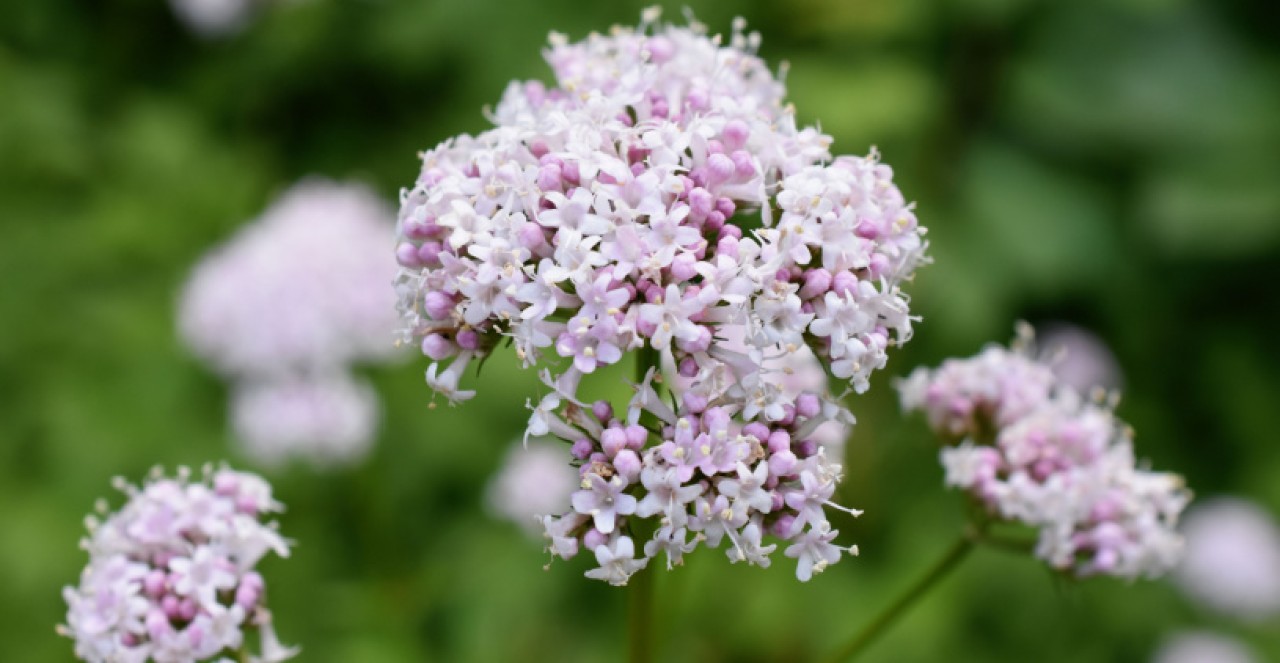
The valerian, is a herbaceous and flowering plant that is mainly found in Europe and Asia and belongs to the valerian family. The part of valerian that is used is its roots, which are fibrous, have a strong aroma and have the most important and significant therapeutic properties.
Its flowering lasts from May to August. The flowering tops are collected in summer and the roots in autumn.
Its taste is strong, dry and slightly bitter.
The oils it contains have a similar effect to benzodiazepines, a class of drugs with sedative, anti-anxiety, muscle relaxant, anesthetic and antispasmodic properties.
Valerian is found as an oil, as an infusion and as a dietary supplement.
Properties:
- Sedative. It soothes overstimulation and anxiety. It also has impressive effects in combating insomnia. It regulates brain function so that we can sleep more easily but also have mental concentration and clarity. It is considered a safe sedative as it is not addictive.
- Mild analgesic. It soothes headaches, neuralgia and dysmenorrhea.
It acts against hypotension and tachycardia, as it causes dilation of the coronary artery.
- Expectorant. It soothes from coughs and asthma.
- Spasmolytic. It relieves pains during menstrual flow, stomach and intestinal cramps, as well as nervous dyspepsia.
- Antiepileptic action. Used in combination with potassium bromide.
Side effects:
The most common side effects that valerian may cause are:
- headache
- Malaise
- Drowsiness
- Gastrointestinal disorders
The allergic reaction is very rare. However, the symptoms of an allergic reaction from taking valerian are:
- Rash
- Itching
- Swelling mainly in the face, tongue and throat
- Severe swelling
- Difficulty breathing