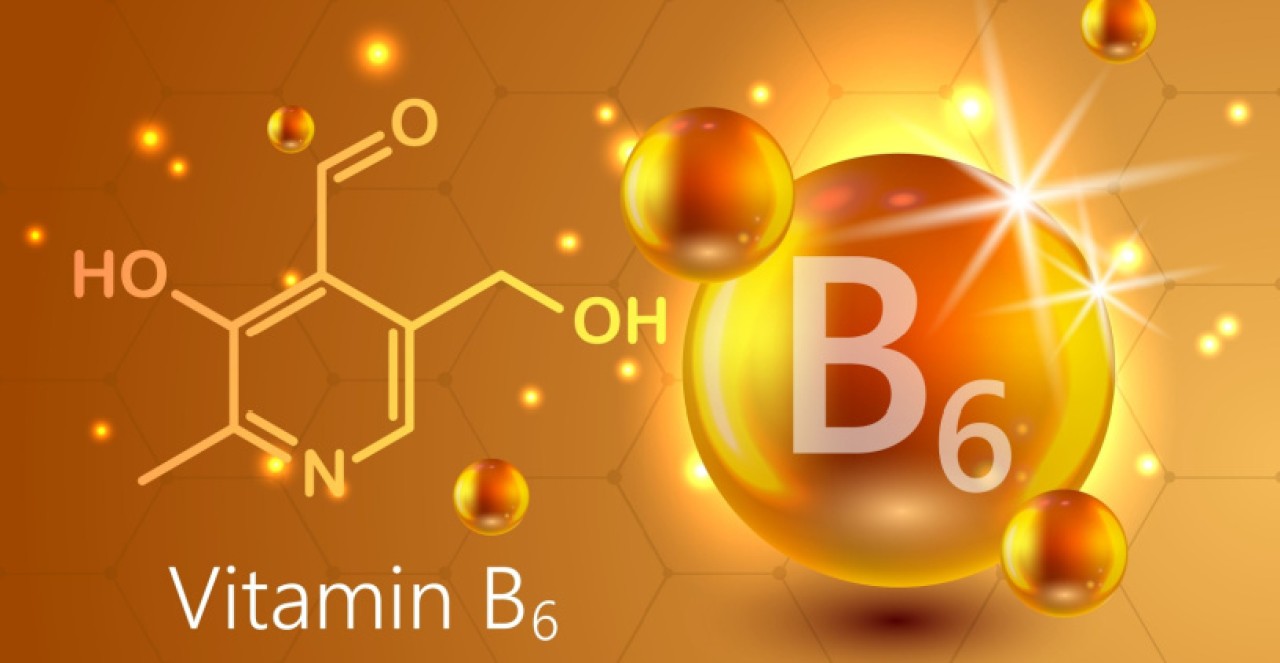
Vitamin B6 is a water-soluble vitamin that belongs to the B vitamin complex and is referred to a group of molecules the pyridoxal, pyridoxine and pyridoxamine.
Vitamin B6 contributes:
- To the metabolism of proteins and fats in the diet.
- To the proper functioning of the brain, maintains memory and reduces the chances of memory loss.
- To the proper functioning of the nervous system
- To the transport of oxygen throughout the human body.
- To the production of hormones that balance a person's mood, producing hormones like serotonin which helps in good mood.
- To the proper sleep regulation and to stress reduction.
The richest foods in vitamin B6 are:
- Fish
- Beef liver
- Potatoes
- Poultry
- Rice
- Dried fruits
- Avocado
- Sweet potatoes
- Bananas
- Spinach
- beans
Due to its abundance in foods and its high bioavailability, its deficiency is rare. It usually occurs in cases of low levels of B vitamins and mainly B12 and folic acid. The deficiency of vitamin B6 can lead to microcytic anemia, dermatitis, depression and a weakened immune system.