Wart Growths on Skin: What They Are and How to Avoid Them
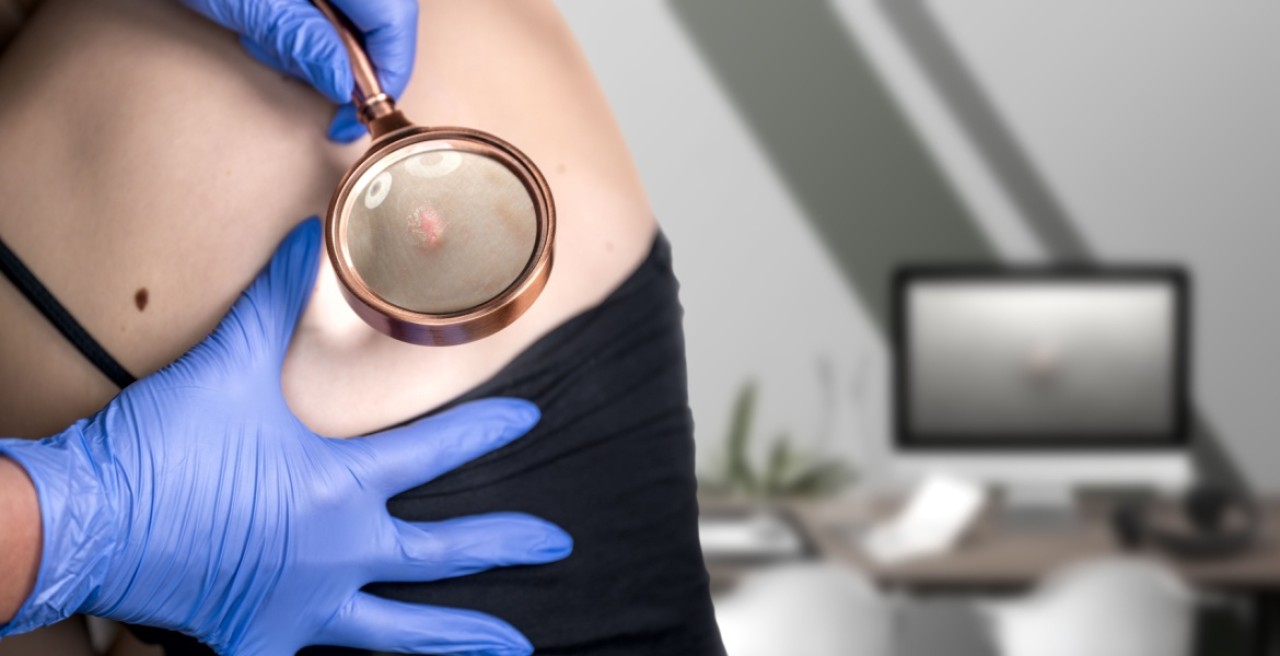
Have you noticed small brown or beige bumps on your skin? They could be wart growths. Usually harmless, but their appearance can affect your aesthetics.
What Are Wart Growths?
- Small, soft bumps on the skin
- Usually brown or beige
- Look like small cauliflowers
- Do not cause serious health problems
The main concern is aesthetic, especially in visible areas like the neck or face.
Where Do Wart Growths Appear
Warts prefer areas with moisture and folds:
- Neck
- Armpits
- Eyelids and around the eyes
- Groin area
- Genitals
- Face (mouth, eyes)
Friction and moisture increase the likelihood of appearance.
Why Are They Caused
- Due to the human papillomavirus (HPV)
- Can appear at all ages
- Incubation period: 3 months to 2 years
- Usually asymptomatic and with a color similar to the skin
Early detection is important to stop their spread.
How Are Wart Growths Transmitted
- Through direct contact with infected skin
- From one part of the body to another
- Friction or injuries accelerate spread
Tip: Visit a dermatologist as soon as they appear.
Symptoms to Watch Out For
- Small bumps without initial symptoms
- As they grow they may cause:
- Itching or burning sensation
- Bleeding or inflammation if injured
- Swelling or pain
Early treatment reduces the risk of complications.
Who Is Most Vulnerable
- People with diabetes
- People with obesity
- Disorders of thyroid or hormones
- Pregnancy or heredity
If they appear in the genital area, a visit to a specialist dermatologist is necessary.
Prevention of Wart Growths
- Avoid friction with sponge or scrub
- Do not use a razor in areas with wart growths
- Avoid jewelry in vulnerable areas
- Maintain a healthy weight
- Immediate removal of wart growths by a dermatologist
Prevention limits spread and new appearance.
Treatments for Wart Growths
The dermatologist may recommend:
- Surgical removal or cryotherapy
- Cryotherapy with liquid nitrogen
- Laser
- Targeted medication
Diagnosis is necessary, as some wart growths resemble other skin conditions.
Conclusion
Warts are usually not dangerous, but immediate treatment is the best option. Proper diagnosis and treatment by a dermatologist protects the health and appearance of your skin is.
Frequently Asked Questions (FAQ)
- Are wart growths dangerous?
In most cases, no. However, a visit to a dermatologist is necessary for proper diagnosis.
- How are wart growths transmitted?
Through direct contact with infected skin or via injury.
- Can they disappear on their own?
Rarely. Usually, medical intervention is required.
- What prevention measures can I take?
Avoid friction, avoid shaving, maintain a healthy weight, and immediate removal by a dermatologist.
- What are the most effective removal methods?
Surgical removal, laser, cryotherapy, or targeted medication depending on the diagnosis.