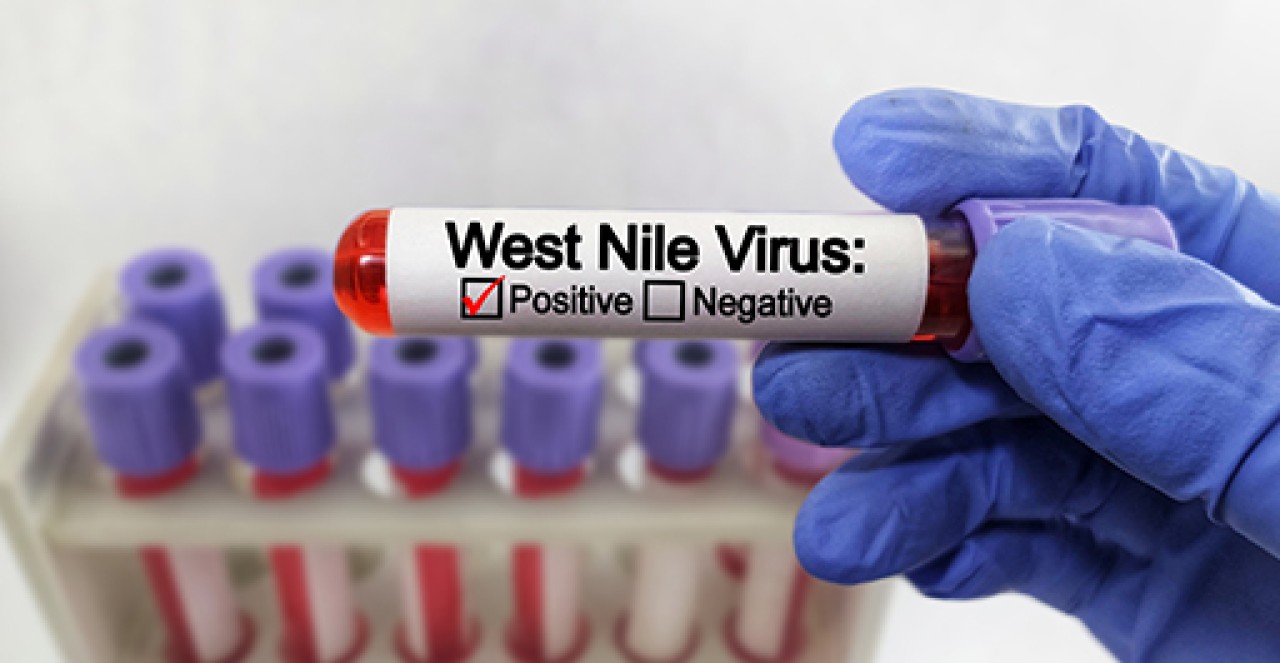
West Nile Virus: Symptoms, Bite and When Infection Appears
The West Nile virus is an viral infection that is mainly transmitted through bite by mosquitoes. Although many people do not show symptoms, in some cases it can cause serious neurological complications. Knowledge of the indications and course of the disease is vital for prevention and timely treatment.
Which mosquitoes transmit the West Nile virus?
The main carrier of the virus is the mosquito Culex pipiens, one of the most common species in Greece. The transmission cycle begins when the mosquito feeds on infected birds and then transmits the virus to humans or other mammals through its bite.
The most common symptoms of the West Nile virus
The infection may be asymptomatic, but when symptoms appear, they usually include:
- Fever: Sudden increase in body temperature, from mild to high.
- Headache: Severe or persistent pain in the head, often accompanying fever.
- Muscle weakness: Generalized feeling of fatigue or pain in the muscles.
Additional symptoms that may occur
In addition to the main ones, patients may show:
- Fatigue: Exhaustion and reduced activity.
- Pains in the joints: Flu-like pains that persist.
- Rash: Non-itchy, with spots and bumps.
- Swollen lymph nodes: Especially in the neck or behind the ears.
- Eye pain: Pressure or discomfort behind the eyes.
Attention: In severe cases, it may progress to encephalitis or meningitis, causing central nervous system disorders.
What does the rash from the West Nile virus look like?
The rash appears a few days after the fever and has the following characteristics:
- Maculopapular: Includes flat spots and small raised bumps.
- Non-itchy: Unlike other bites, it does not cause itching.
- Diffuse spread: Can appear on the chest, back, and also on the limbs.
How long does it take for the infection to appear after the bite?
The incubation period of the West Nile virus ranges between 2 to 14 days. In individuals with a weakened immune system, symptoms may be delayed up to 21 days after exposure.
Conclusion: Prevention and Early Diagnosis
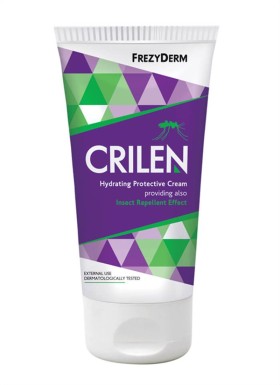
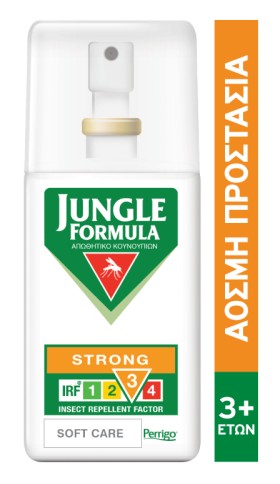
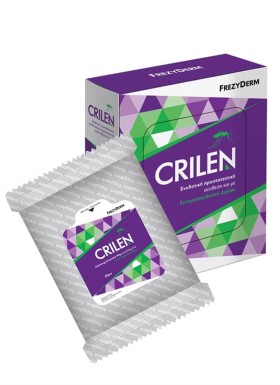
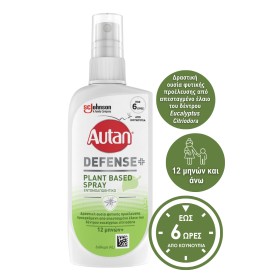
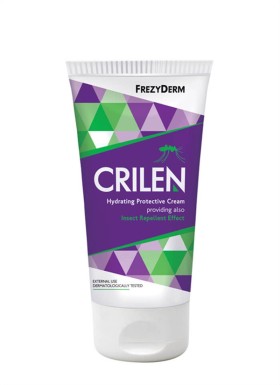
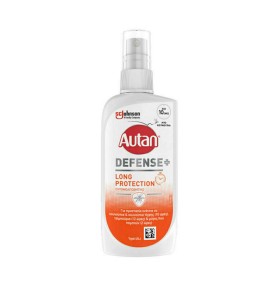
Early recognition of symptoms and awareness of the mode of transmission by Culex mosquitoes can lead to faster treatment and prevention of complications. It is recommended to take preventive measures, such as insect repellents, use mosquito nets and avoid outdoor areas during peak hours (evenings).
If you notice the above symptoms, seek medical advice immediately.