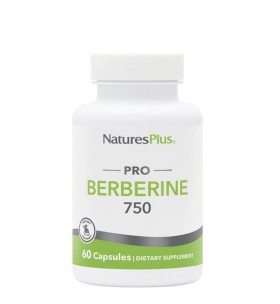
What is berberine and how is it related to weight loss?
The berberine is a natural substance derived from plants and has recently gained popularity as a weight loss supplement. On the TikTok platform, videos related to it have been launched to millions of views, with many calling it the 'natural Ozempic', comparing it to the well-known medication for managing type 2 diabetes and weight management.
How does Berberine work?
Berberine belongs to the alkaloids and is derived from the shrub Berberis vulgaris, known as European barberry. For centuries, this substance has been used in traditional medicine, mainly in Asia, to manage problems such as metabolic disorders, diarrhea, and skin problems.
One of the most important mechanisms of action of berberine is the activation of protein kinase, an enzyme that plays a role in regulating metabolism in the human body. This enzyme is found in cells of many organs, such as muscles, brain, kidneys, and liver. Through this mechanism, berberine contributes to the better management of fatty hormones, such as insulin, leptin, and adiponectin.
Is Berberine really effective for weight loss?
Although many users report results such as rapid weight loss, scientists are not so sure about the effectiveness of berberine. The clinical studies conducted so far are limited, and many of the results come from animal experiments. For example, in animal experiments it was shown that berberine can reduce the development of fat cells, but these observations have not yet been confirmed in humans.
A 2021 study published in the journal Frontiers in Nutrition indicated that berberine may have metabolic benefits, mainly for cardiovascular health, but its contribution to weight loss is minor. Therefore, it cannot be considered a miraculous solution for losing weight, as some promote it on the internet.
What are the side effects of Berberine?
Although berberine seems to be safe for most people when used in small doses, there are possible side effects that should not be ignored. The most common side effects include nausea, diarrhea, and stomach pain. In animals, more serious problems have been observed, such as the enlargement of the liver and kidneys, as well as the reduction of white blood cells, which are critical for the defense of the organism against infections.
Experts emphasize that if someone notices weight loss while taking berberine, they should immediately stop using it and consult their doctor. Sudden weight loss may indicate that there is another problem with the product, or even the presence of ingredients not listed on the label.
Is Berberine safe as a supplement?
It has gone viral, mainly due to its presence on social media, but it should be approached with caution. Like any other dietary supplement, it does not undergo the same rigorous evaluations as medications. This means that there may be inaccuracies in the listed doses or even additional ingredients not listed on the label, making its use potentially dangerous for some people.
In summary, although berberine seems to have some metabolic benefits, the data on its effectiveness and safety remain limited. It is important to discuss with a specialist doctor before including any supplement in your diet, especially if you are aiming for weight loss.