ABBIMED OvaCare
The OVACARE® is a dietary supplement for women containing a natural blend of vitamins, minerals, and antioxidants.
Its ingredients enhance the body's antioxidant mechanisms and, therefore, reduce oxidative stress, ensuring the necessary metabolic substrate of ovarian tissue and the best action of growth factors that induce folliculogenesis.
Folic Acid
Folic acid is recommended for all women trying to conceive to reduce the risk of neural tube defects in embryos, miscarriages, and underdevelopment of embryos as well as newborns to present congenital heart diseases or even developmental delay of their faculties. Women who wish to conceive should have adequate folic acid one month before pregnancy.
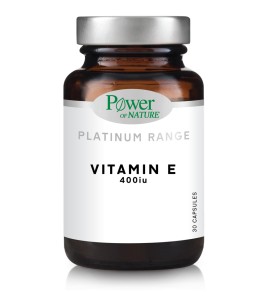
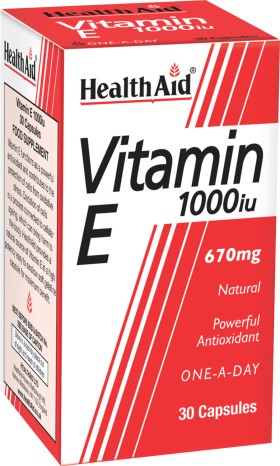
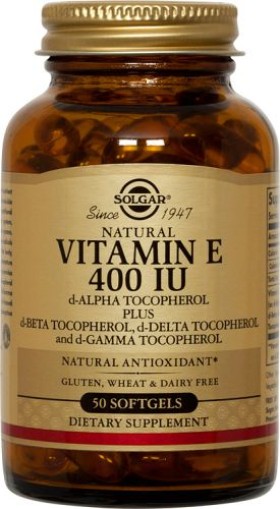
Vitamin E
Vitamin E and grape seed extract are components with strong antioxidant action, which protect the eggs from the damage caused by free radicals in their DNA, offering a shield of protection to the cell membrane of the ovum, preventing premature cellular apoptosis while simultaneously improving mitochondrial function.
Melatonin
Melatonin can help women (usually aged 35-40 years) who have low-quality eggs. It contributes to the maturation of the oocytes, the luteinization of the cumulus cells, and the development of embryos by participating in the neuroendocrine metabolic pathways of brain development. Additionally, it enhances the activity of inositol and folic acid since its individual or synergistic antioxidant action is crucial because it can easily cross the cell membrane, but also the blood-brain barrier, directly absorbing oxygen and nitrogen-containing free radicals, including hydroxyl, O2−, and NO, creating what is referred to as a 'waterfall reaction'. Through this mechanism, it improves the quality of oocytes and the outcome of pregnancy in women with a history of low-quality oocytes. Study results showed that the rates of clinical pregnancy and implantation were higher in a group that received supplemental melatonin. It can also regulate ovarian function through the activation of multiple receptors (MT1, MT2) as well as signaling pathways in different target cells, particularly the cells of the follicle and the cumulus cells, and improve progesterone production from the corpus luteum in infertile women with luteal phase disorders. This quality is under ongoing investigation even as biomarkers of ovarian reserve. Multicenter studies report a reduction in the risk of neural tube defects in embryos and pregnancy complications with short-term use.
Myo-Inositol
Myo-inositol, according to studies, is involved in various phases of human reproduction. It is an important intermediate key component of the second messengers and a dominant component of the phospholipids of cell membranes involved in many biological processes. Its unique chemical structure allows it to 'enter' and 'exit' cells, playing its catalytic role. The G-protein-coupled receptors for the P2Y2 system lead to the production of inositol triphosphate (IP3), making it soluble and freely diffusible in the cytoplasm. Increased myo-inositol concentration in follicular fluid seems to play a positive role in the maturation of follicles and is an indicator of good egg quality. It effectively addresses the metabolic and hormonal disorders of Polycystic Ovary Syndrome associated with infertility while achieving hormonal balance in the proliferative phase of the menstrual cycle in women.
Alpha-Lipoic Acid
Alpha-lipoic acid is a powerful antioxidant that helps protect female reproductive organs. It is produced endogenously and enhances the production of other antioxidants, including glutathione. It has the ability to directly neutralize ROS and the potential to react with other antioxidants, such as glutathione, coenzyme Q10, and vitamins E and C, improving their antioxidant action, contributing to the regeneration of cellular structures of eggs. It aids in carbohydrate metabolism and energy production and creates an antioxidant network that is important for the proper functioning of cellular processes and the restoration of mitochondrial damage in eggs, especially in women undergoing IVF who show abnormalities in the morphology of fertilized eggs while having a significant effect on the infertility of overweight women without metabolic syndrome or polycystic ovaries.
Coenzyme Q10
Coenzyme Q10 is a powerful antioxidant produced naturally by the body but is also available in foods or as a dietary supplement. It is present in the membrane of almost every cell in the body and is required for mitochondrial ATP synthesis, which is responsible for cellular energy production. The smooth development of the embryo to the blastocyst stage depends on the energy infrastructure of the mitochondria of the ovum since they are the only ones that contribute to embryonic formation. Most studies advocate its supplemental intake by women undergoing in vitro fertilization at a recommended dose of 600mg of coenzyme Q10 per day for about 2 months.
L-Arginine
L-Arginine is an activated amino acid and helps in better blood circulation of the ovarian layer due to its vasodilatory effect and its indirect and synergistic antioxidant action. It is found in many foods and when administered for some time enhances egg quality in women over the age of 35 years while it does not seem to improve the low number of follicles in men at the beginning of their cycle.




 75