Intermed Ergonomic InterBrush Mini Size 5 (0,8mm): practical for home and on the go
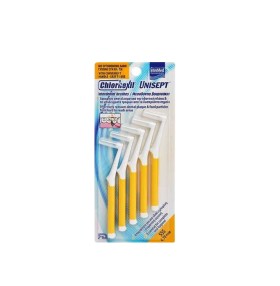
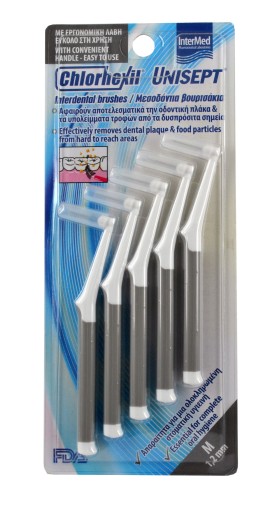
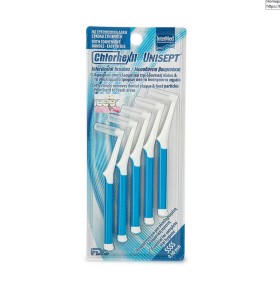
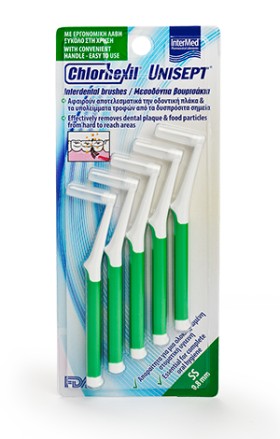
The Intermed Ergonomic InterBrush Mini Size 5 includes 8 interdental brushes with a diameter of 0,8mm and an anatomical handle. This size fits medium to wide gaps, where smaller numbers no longer make contact with the teeth.
The packaging of eight allows you to keep one brush in the bathroom and one in the travel bag or office, so the cleaning of the gaps does not stop when you are away from home.
The gaps after eating
Those with wider interdental spaces know it: meat, greens and seeds get stuck in the same spots almost every meal. The 0,8mm brush fills such gaps and, according to Intermed, removes food remnants and subgingival microbial plaque from the interdental spaces and hard-to-reach areas.
Unlike the dental floss, which pushes whatever it finds in one direction, the bristles clean peripherally and touch both teeth of the gap.
Who does it serve
Those with medium or wider gaps, those who travel or eat often outside the home, and those who clean orthodontic devices in places with enough space.
Correct usage
Pass the brush with a calm motion inside the gap and clean by making a few gentle come-go motions. Afterwards rinse the bristles and dry them before storing the brush.
In tight gaps, do not press, as the gums are vulnerable to injury. The wire should not be bent or forced, as its wear can cause injury.
Frequently asked questions
How do I carry it without getting dirty?
First let it dry and put it in a clean, ventilated case or bag. Do not close it wet.
Can I use it instead of dental floss?
For gaps that accept a brush, it is a gentler option than the hard dental floss, because it cleans with bristles and not with a pick.
What number is after 0,8mm?
In the Mini series, it is followed by Size 6 with 1,1mm. If 0,8mm passes loosely, this is the next step.
How often should I clean it?
After each use, with water. Change it when the bristles wear out.
Can I use it on implants or bridges?
The manufacturer refers to interdental spaces and orthodontic devices. For implants and bridges, follow the dentist's guidance.




 3