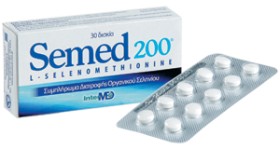
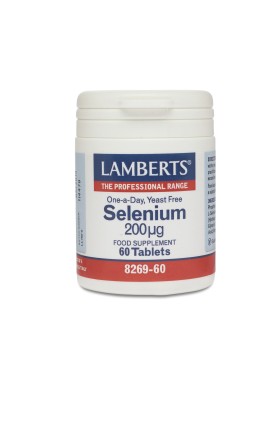
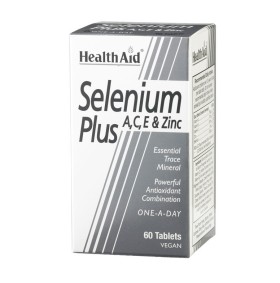
The trace mineral selenium is an essential dietary component, necessary for the execution of important biological processes in the body, such as reproduction, synthesis of thyroid hormones, DNA synthesis, immune competence and defense against inflammation and oxidative stress.
The intake of selenium and its levels in plasma vary depending on the population, the composition and selenium content of the soil, the type and amount of food. Foods rich in selenium include Brazilian peanuts, organ meats, poultry, fish, dairy products, bread and cereals.
Selenium has antioxidant, immunomodulatory and anti-inflammatory actions and is an essential component for the synthesis and metabolism of thyroid hormones. These actions are carried out through the selenoproteins of which it is a key component.
The main selenoproteins are glutathione peroxidase (GPx), which due to its antioxidant action protects thyroid cells from the excess of H2O2 produced during the synthesis of thyroid hormones and deiodinases that contribute to the deiodination (removal of an iodine atom) of thyroxine resulting in the production of the metabolically active triiodothyronine.
The thyroid gland is the organ with the highest selenium content. Recent epidemiological studies have found that low selenium levels in plasma are associated with a higher incidence of laryngeal cancer, thyroid goiter and autoimmune thyroid diseases such as Graves' disease and Hashimoto's thyroiditis. Therefore, selenium deficiency is a risk factor for morphological and functional disorders of the thyroid.
The administration of selenium to patients with autoimmune thyroiditis (Hashimoto's) with or without thyroxine therapy seems to modify the characteristic inflammatory and immune responses of the disease as shown by the decrease in antithyroid antibodies. Additionally, the complementary administration of selenium may improve the structure of the thyroid.
The complementary administration of selenium to patients with Graves' disease and mild associated ophthalmopathy improves the quality of life, reduces the severity of ophthalmopathy and slows its progression and is included in the official treatment guidelines of the European Graves' ophthalmopathy group.
Selenium's action is also evident in pregnancy where, in addition to the decrease in antibodies, there is a delay in the progression of the disease, improvement in the ultrasound image of the thyroid and a reduction in the rate of postpartum thyroid dysfunction and the appearance of permanent hypothyroidism.
According to the results of studies conducted in Greece, the average daily intake of selenium and its average concentration in serum are lower than the desired limits.
Libytec Pharmaceutical, evaluating the benefits of selenium administration and considering it truly an essential trace element today, circulates 2 unique life supplements, SELIMA and SELITOP with the following features:Organic form of selenium with high absorption from the intestine.
- Orally disintegrating tablets. This form has faster disintegration and higher absorption and offers the possibility of administration without water or other liquid even in individuals with swallowing problems, improving compliance.
- One tablet daily regardless of food.
- Pleasant lemon flavor.
- Absence of gluten & lactose to avoid intolerance.
- Ability to adapt to the needs of each patient. SELIMA is suitable for long-term treatment while SELITOP is administered in autoimmune thyroid diseases.




 8
8