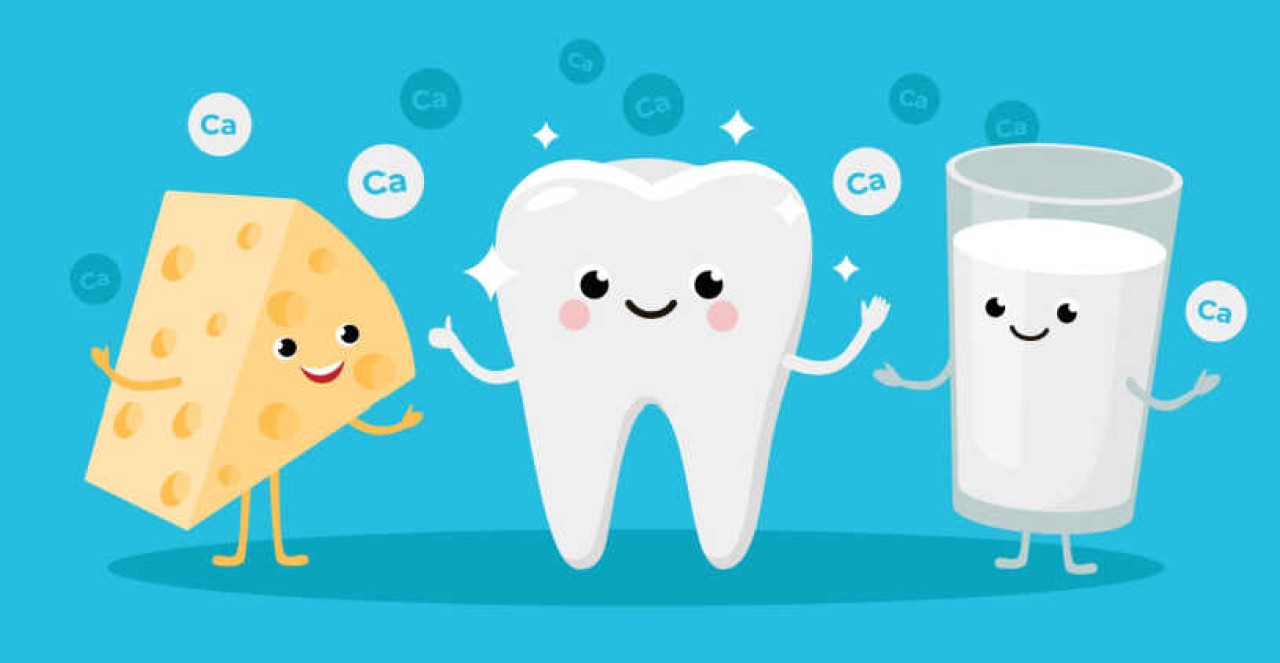
Calciumis a metal essential to the human body as it is the structural component of bones and teeth. 99% of calcium is found in the skeleton and contributes:
→ to normal blood clotting
→ to the operation of metabolic processes that aim to produce energy
→ to muscle function
→ to neurotransmission
→ to the cell division process
→ to the operation of digestive enzymes
Forms of calcium:
Calcium in its natural form exists only in compounds with other components (salts). The most common forms are calcium carbonate, calcium citrate, calcium gluconate and calcium lactate.
In calcium supplements the two main forms are calcium carbonate and calcium citrate.
Calcium deficiency
Low levels of calcium in the blood and its deficiency can cause:
→ Muscular weakness
→ Cramps
→ Irritability
→ Fatigue
→ Long-term rickets
→ Osteopenia
→ Osteoporosis
Calcium needs depend on various factors such as:
→ Age. Children and adolescents have a greater need for calcium than adults. Calcium in childhood contributes to bone development and protects against osteoporosis in adult life.
→ Pregnancy and breastfeeding. Studies show that calcium has a protective role in the cardiovascular system of the fetus, minimizing the risk of premature labor and complications.
→ Hormonal status. Women in menopause need calcium and vitamin D to keep their bones healthy and prevent osteoporosis.
Calcium-rich foods
→ Dairy products
→ Hard cheeses such as parmesan
→ Small fish: sardines, sprats
→ Sesame
→ Fruits: dried figs, raisins, apricots, kiwis, oranges, berries, papaya and pineapple.