Heart Rates: Normal Values by Age & What They Mean
Heart rates (heart beats per minute) are a simple yet important indicator of heart condition. See what values are considered normal, what high or low rates may mean and how to measure them correctly at home.
What are considered normal heart rates
For most adults at rest, normal rates are considered to be 60–100 beats per minute. Well-trained athletes may have lower resting rates (even 40–60), which often reflects good physical fitness. In infants and young children, normal rates are higher and decrease as they grow older.
A handy way to estimate maximum heart rate is: subtract your age from 220. For example, for a 40-year-old, the maximum rate is about 180 beats. During moderate-intensity exercise, we aim for 50–70% of this value.
What do high heart rates (tachycardia) mean
Heart rates naturally increase with exercise, stress, coffee, fever or dehydration. Persistently high rates at rest, however, may require evaluation by a doctor.
What do low heart rates (bradycardia) mean
Low rates are often normal in well-trained individuals. If, however, they are accompanied by dizziness, fatigue or fainting tendency, medical evaluation is needed.
How to correctly measure your heart rate
The measurement of heart rate can be done at any time, however, in the morning, immediately after waking up, it is considered the most reliable time for measurement. Follow these steps:
- Lie down or sit comfortably in a chair.
- Place the index and middle finger on the neck, next to the windpipe, or on the wrist, on the radial artery.
- Count the beats for 30 seconds and multiply the result by two to get beats per minute.
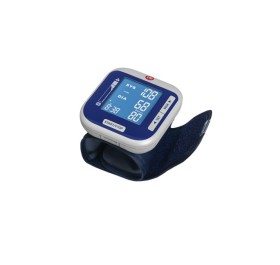
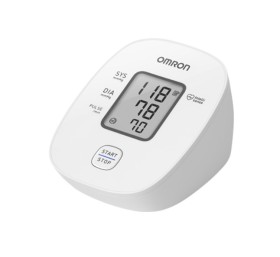
Find the pulse on the wrist or neck, count the beats for 30 seconds and multiply by two. For easier and regular monitoring, electronic sphygmomanometers, which also display heart rates along with blood pressure, are helpful.
How to Check Heart Rates
Heart rates may increase due to stress or external factors. Controlling these factors is the best strategy to regulate your rates. Some immediate solutions include:
- Deep breathing
- Short walk, preferably in a quiet environment
- Relaxing bath
- Relaxation exercises, such as yoga
How to Maintain Healthy Heart Rates
Regular exercise, good hydration, quality sleep, stress management and limiting caffeine/alcohol help maintain stable rates. Certain nutrients, such as magnesium, participate in the normal functioning of the cardiovascular and nervous systems for what you need, ask your doctor or pharmacist.
Long-term Strategies for Healthy Heart Rates
For better long-term management of heart rates, the following strategies are recommended:
- Regular physical exercise: Helps achieve and maintain ideal rates.
- Adequate hydration: When the body is dehydrated, the heart is forced to work harder, increasing rates.
- Moderate alcohol consumption: Alcohol can cause dehydration and strain the heart.
- Antioxidants: Help control blood pressure and rates.
- Adequate sleep: Lack of sleep can increase rates and affect cardiovascular health.
- Healthy weight: Maintaining a healthy weight reduces pressure on the heart and helps maintain normal rates.
When to Contact a Doctor
Intense sensation of heart rate (fluttering), chest pain, shortness of breath, dizziness or fainting are signs that require immediate medical evaluation.
Frequently Asked Questions
What are normal resting heart rates? 60–100 per minute for most adults.
Is it bad to have low heart rates? Not necessarily, often they indicate good physical condition, unless symptoms are present.
How do I quickly lower my heart rate? Rest, deep slow breathing and hydration help; if high rates persist or symptoms are present, seek medical help.
Disclaimer
The content of this website is not and should not be considered as medical advice, diagnosis, treatment or recommendation. All information is provided to readers by health professionals, solely for informational purposes. There is no intention for this content to replace personalized medical advice, diagnosis, prognosis or treatment.