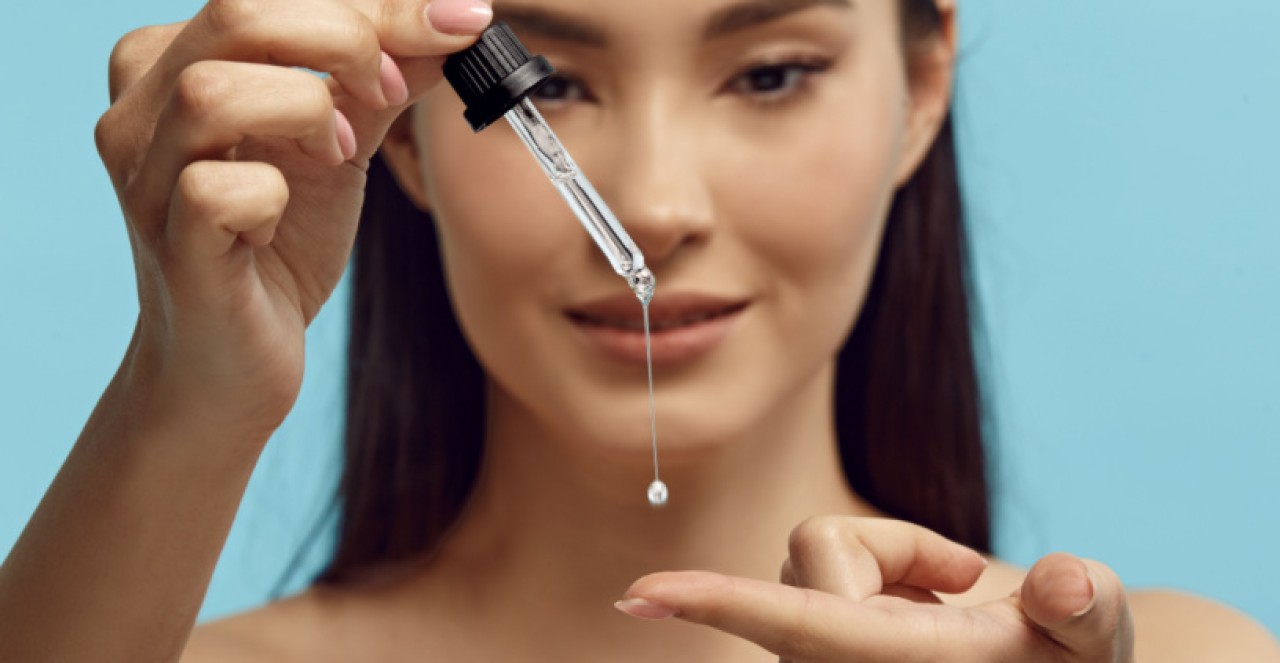
How to Use Retinol for Better Results
What is Retinol?
Retinol is widely known for its anti-aging properties. It is a fat-soluble vitamin that belongs to the family of vitamins A and is also referred to as vitamin A1. It is a super effective anti-aging ingredient that promotes the renewal of skin cells, resulting in a reduction in the appearance of fine lines, wrinkles, and age spots. Retinol also stimulates collagen production, improving skin texture, making it look smoother and more radiant. Additionally, it is an effective ingredient for people with oily or acne-prone skin, as it helps to unclog pores, prevent acne, and reduce inflammation.
How do I apply it?
1. Start using it gradually: For someone who has not used retinol before, it is recommended to apply a product with just 0.25% retinol once a week, gradually increasing the frequency (especially if it is sensitive skin). This will reduce skin irritation, peeling, and breakouts. Nevertheless, it is normal if your skin goes through an adaptation period at the beginning where it will be irritated and peel. These symptoms will calm down within the first few weeks.
2. Make sure to hydrate your skin sufficiently: As mentioned earlier, a side effect of using retinol is peeling. This happens because dead skin cells are shed. Thus, it brings new, healthy cells to the surface of the skin, replacing old, dead cells and promoting cellular renewal. Therefore, make sure to keep your face well-hydrated by using the appropriate moisturizing cream.
3. Don't forget to wear sunscreen: Using sunscreen on a daily basis is important in any case. However, when using retinol, it becomes of utmost importance. The reason is that retinol reduces the skin's natural ability to protect itself from harmful external factors, such as the sun. Moreover, its use increases the skin's sensitivity to the sun due to its exfoliating effect, making it more susceptible. Therefore, the use of sun protection should not be skipped.
4. Base it with the other products you combine it with: Avoid using retinol products with other exfoliants, such as alpha-hydroxy acids (AHAs) or beta-hydroxy acids (BHAs). Instead, use these products on alternate days to reduce the risk of irritation. If you want to use vitamin C to lighten acne and hyperpigmentation marks, do not combine them. Their use is recommended at different times, one in the morning and the other in the evening.
5. Caution with excessive exfoliation: It is normal to see your skin peeling more than usual if you use retinol along with exfoliating products. Special care is needed when it comes to professional exfoliation treatments. Inform your dermatologist and refrain from using retinol a few days before and after the professional exfoliation treatment.
6. Choose the right product for you: Consult a specialist to be referred to the best retinol product based on your skin. There is a wide range of brands and products to choose from, so extra care is needed in the selection process.
7. Use retinol at night: Retinol makes the skin more sensitive to the sun. Moreover, it is a photosensitive ingredient that is neutralized by exposure to sunlight and air. For these reasons, adapt retinol to your evening skincare routine for maximum safety and effectiveness.
8. It requires consistency and patience: It may take up to 12 weeks to see active changes in the skin. Therefore, do not get discouraged if you do not see immediate results. It is also important to use retinol products consistently to maintain the benefits. If retinol use is stopped, the skin will return to its original state before you started using it.
Clearly, retinol can be extremely beneficial for your skin. However, you need to follow the above tips patiently and be consistent. Explore the products available and choose the one that suits you best. Start with a low retinol concentration, protect yourself adequately from the sun, apply it at night, and avoid combining it with other active ingredients to see the magical results!
Disclaimer
The content of this website is not and should not be considered as medical advice, diagnosis, treatment, or recommendation. All information is provided to readers by health professionals, solely for informational purposes. There is no intention for this content to replace personalized medical advice, diagnosis, prognosis, or treatment.