What is Low Blood Pressure (Hypotension)? Causes-Treatment
What is Low Blood Pressure (Hypotension)?;
Low blood pressure, or hypotension, is defined when the pressure falls below 90 mmHg systolic and 60 mmHg diastolic. Although it is considered desirable for many, in some cases it can cause serious symptoms and require immediate intervention.
Symptoms of Hypotension
Hypotension may present with:
- Dizziness or syncope
- Blurred vision and nausea
- Fatigue and lack of concentration
In severe cases, it may lead to shock with confusion, pale skin and rapid breathing. In such cases, immediate medical attention is required.
Causes of Low Blood Pressure
The causes vary and include:
- Pregnancy, due to faster circulation development
- Cardiac diseases, such as bradycardia or heart failure
- Hormonal disorders (Addison's disease, hypoglycemia)
- Dehydration from intense exercise, vomiting or diarrhea
- Blood loss due to injuries or internal bleeding
- Sepsis or severe allergic reaction (anaphylaxis)
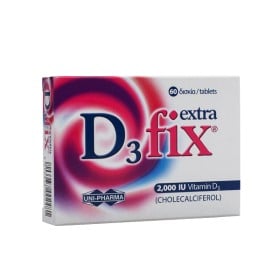
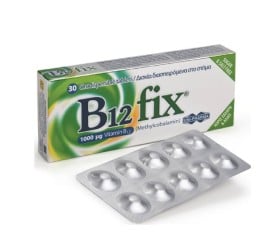
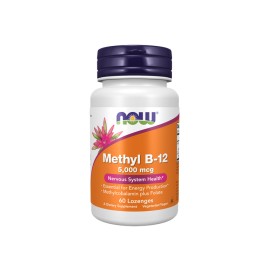
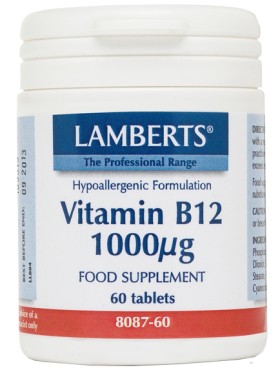
- Nutritional deficiencies (e.g. vitamins B12, B9)
- Certain pharmaceutical preparations such as diuretics or antidepressants
Risk Factors for Hypotension
Hypotension is more common in elderly people, those with cardiac diseases, or those taking specific medications. There are different types, such as orthostatic hypotension or hypotension after a meal.
Possible Complications
If not addressed, hypotension can cause injuries due to falls or even reduced oxygen flow to vital organs like the heart and brain, with serious consequences.
Treatment of Hypotension
Treatment depends on the cause and may include:
- Increase salt intake (under medical supervision)
- Fluid intake to prevent dehydration
- Use of compression stockings to improve circulation
- Avoid alcohol which causes dehydration
- Slow movements when changing body position
- Adjustment of medication when necessary
It is important to consult your doctor for proper diagnosis