Vitamin B12: The ultimate guide to benefits, deficiency symptoms, dosage and B12-rich foods
Vitamin B12 (cobalamin) is one of the most essential vitamins of the B complex and contributes to vital functions of the body. Since the human body cannot produce it in sufficient quantities, it is important to obtain it through B12-rich foods or with the help of dietary supplements.
What is Vitamin B12 and why is it essential?
Vitamin B12 participates in multiple functions:
- DNA and RNA production
- Formation and maintenance of healthy nerve cells
- Support of brain function
- Strengthening of the immune system
- Reduction of depression symptoms
- Proper development of the fetus during pregnancy
- Enhancement of hair, skin and nail health
A deficiency in Vitamin B12 can lead to fatigue, inability to concentrate, neurological problems, anemia and decreased performance.
Recommended daily intake of Vitamin B12 (Dosage)
According to international dietary guidelines:
- Teenagers & adults (14+): 2.4 mg
- Pregnant women: 2.6 mg
- Breastfeeding mothers: 2.8 mg
⚠️ Needs may be higher in individuals with restrictive diets (vegan, vegetarian), the elderly or patients with malabsorption.
Foods rich in Vitamin B12
Dairy products
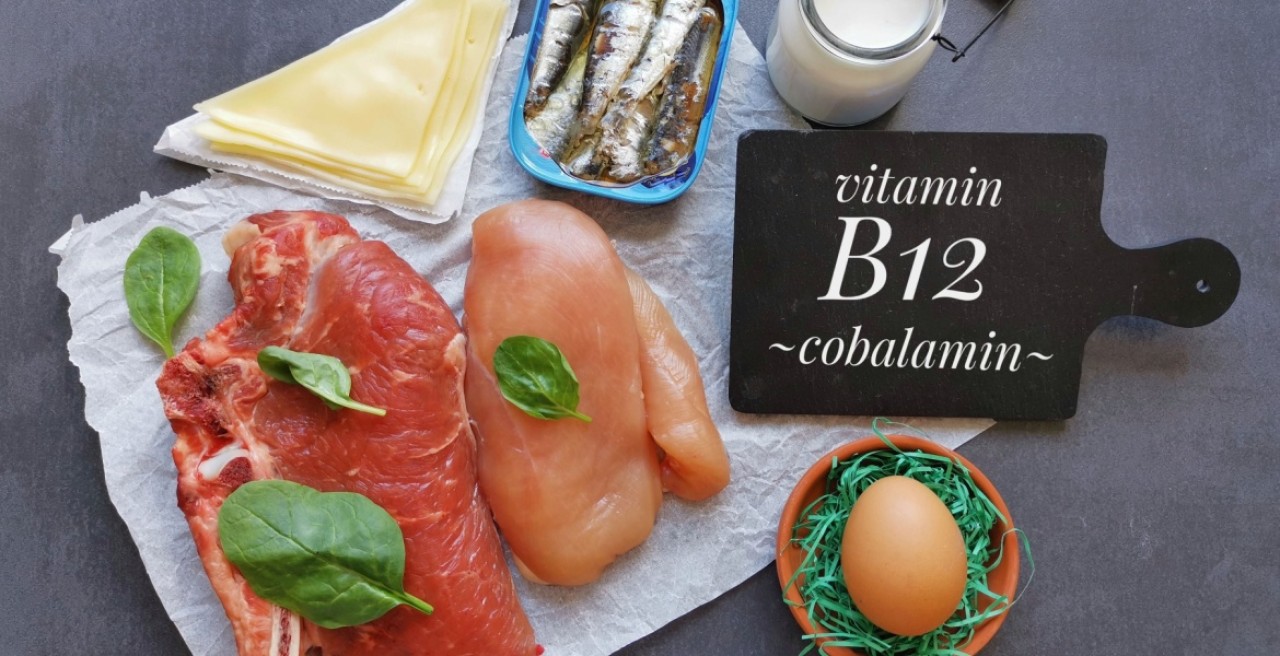
- Milk, yogurt and yellow cheeses contain significant amounts of B12.
- A glass of milk can cover up to 23% of the daily dose.
- Absorption from dairy products is considered more effective compared to other foods.
Eggs
- Valuable source of proteins, Vitamin D and B12.
- The yolk is richer in B12 than the egg white.
- 2 large eggs provide 46% of the daily dose.
Seafood
- Oysters, clams, mussels, crabs and shrimps are extremely rich in B12.
- 100g mussels contain up to 99 mg B12.
- In addition, they are a source of zinc and omega-3 fatty acids.
Lamb meat
- A serving contains about 5.9 mg B12.
- The liver is the top source: 100g liver provides over 100 mg.
- It is recommended to grill for better retention of nutrients.
Sardine
- 100g canned sardines contain about 56 mg B12.
- In addition, they offer omega-3 fats that protect the heart and blood vessels.
Nutritional yeast (ideal for vegan)
- 2 tablespoons can contain up to 17.6 mg B12.
- It has a rich protein value and a characteristic "cheesy" flavor.
- Studies show that it helps vegans maintain normal B12 levels in the blood.
Who is most at risk of Vitamin B12 deficiency?
- People who follow a vegan or vegetarian diet
- Elderly with reduced absorption
- People with gastrointestinal diseases (e.g. celiac disease, Crohn's)
- People taking medications for a long period of time (e.g. metformin, antacids)
In conclusion
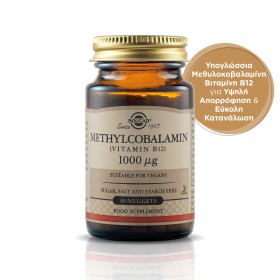
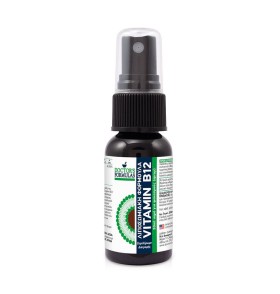
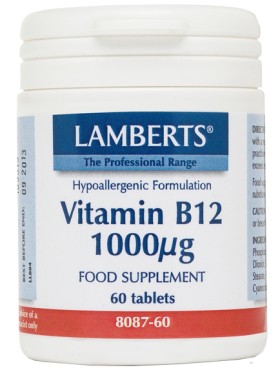
Vitamin B12 is vital for energy, brain health and proper body function. Its intake through a balanced diet or with supplements can prevent serious deficiencies and health problems.