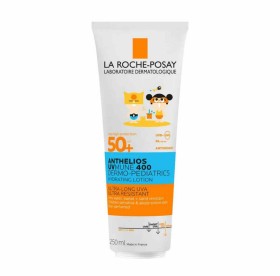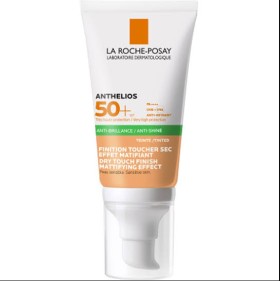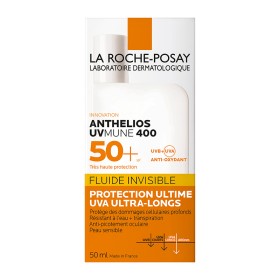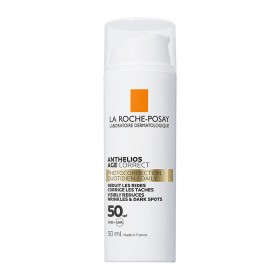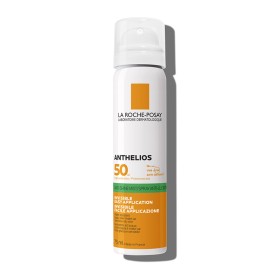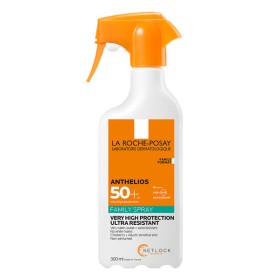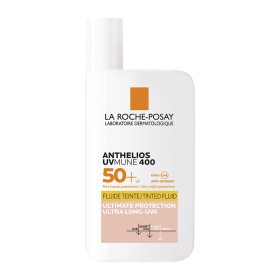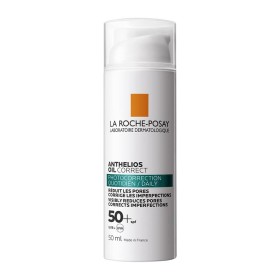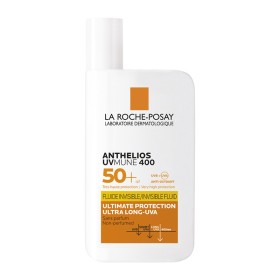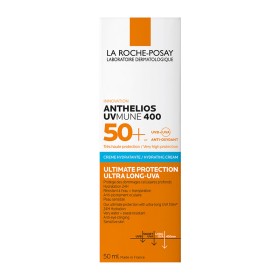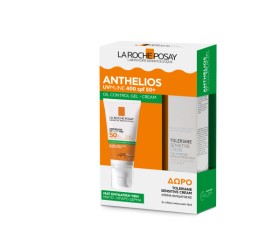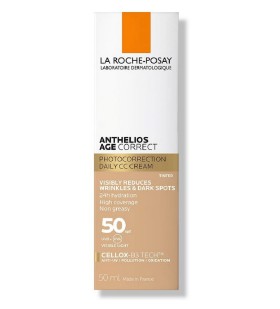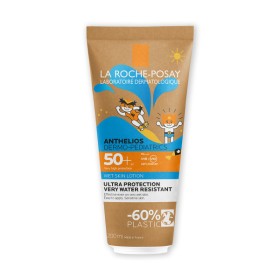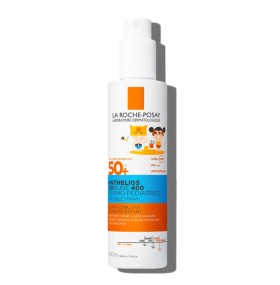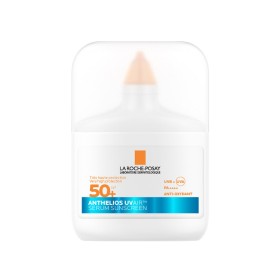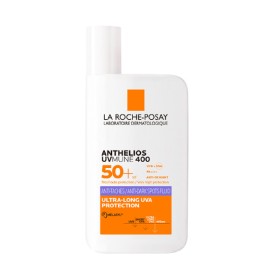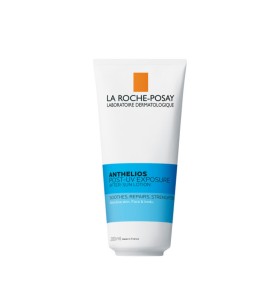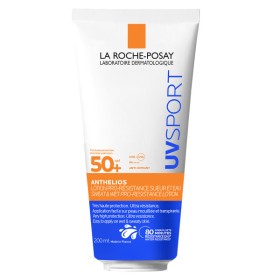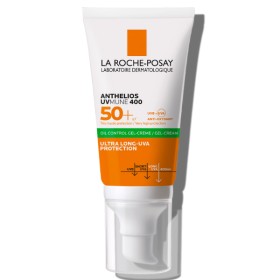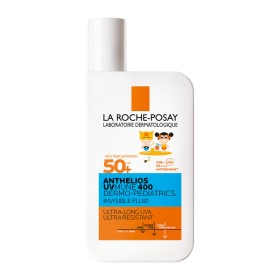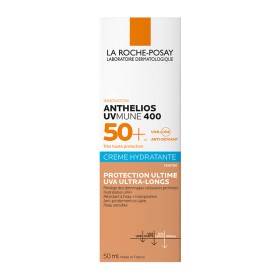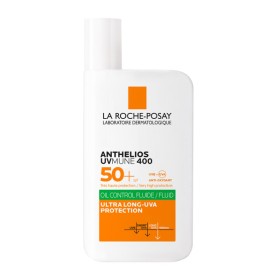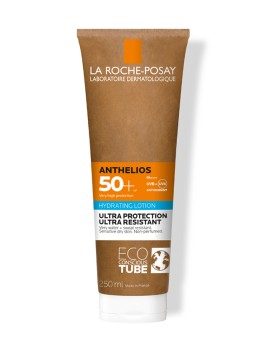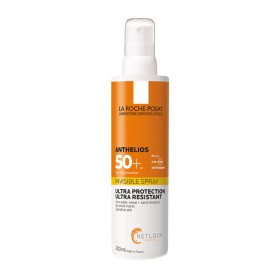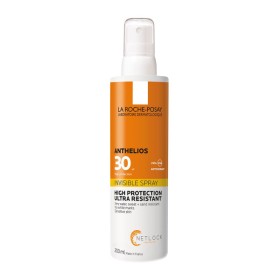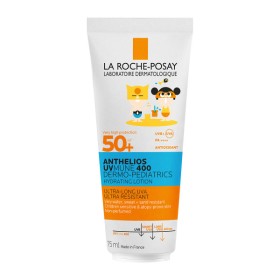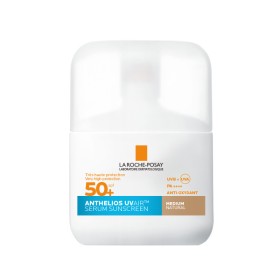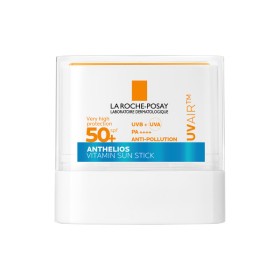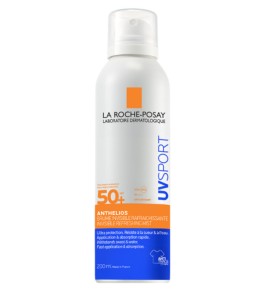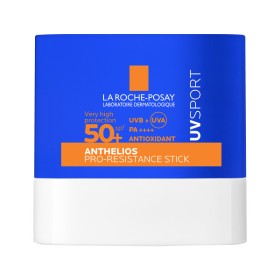
The Anthelios line is La Roche-Posay's sunscreen range and is aimed at the whole family, with a focus on sensitive skin that struggles to tolerate common sunscreens. It covers face and body, adults, children and infants, and comes in many textures, from invisible fluids and gel creams to sprays, lotions and sticks. The common denominator is broad-spectrum photostable filters, i.e. filters that cover both UVB and UVA and do not break down quickly in light, along with La Roche-Posay Thermal Mineral Water and formulas designed with tolerance in mind.
The world writes it in many ways: anthelios, antelios, anthelios uvmune, anthelios spf50, as well as La Roche Posay anthelios, la rose posay anthelios, larose posay anthelios, laroche poche anthelios or simply Roche posay anthelios. All spellings lead to the same line.
The ultraviolet radiation that reaches the ground is divided into two main bands. UVB rays have a shorter wavelength and greater energy. They stop mainly in the epidermis, are responsible for sunburn and are stronger in summer, at noon and at high altitude. UVA rays have a longer wavelength, reach deeper into the dermis, pass through windows and are present all year round, even under cloud cover. They are linked to photoaging, i.e. the gradual degradation of collagen and elastin fibers, and to the appearance of discoloration.
The SPF rating only measures one aspect, UVB protection, and is defined in the laboratory as the ratio of the dose needed to cause erythema on protected skin to the dose on unprotected skin. In practice, an SPF 30 filters about 97 percent of UVB and an SPF 50 about 98 percent. The difference between the two numbers is much smaller than it appears from a distance of 30 to 50, and no sunscreen filters one hundred percent of radiation. For UVA there is a separate criterion, so you will see the UVA letter inside a circle on the packaging.
And here is the crucial point. The laboratory rating is obtained by applying two milligrams per square centimeter of skin. Most people apply one-third to one-half of this amount, so the actual protection they receive is significantly lower than the number on the bottle. Practically, for the face and neck you need about a teaspoon, and for an adult's entire body about six teaspoons. At the same time, the film wears off from sweat, water, towel drying and friction from clothes.
That's why quantity and repetition matter more than the number. An SPF 50 that has been applied lightly and once in the morning protects less than an SPF 30 that has been applied correctly and reapplied. La Roche-Posay's newer UVMune 400 technology, with the Mexoryl 400 filter, targets according to the manufacturer the far UVA, i.e. the band close to 380 to 400 nanometers that older filters covered less. It is an important development, but it does not change the rules of proper use.
On the beach and in the mountains, obviously, but also every morning in the city, because UVA passes through the windows of the office and the car. On people who undergo treatment or care with acids and retinoids, where the skin becomes more sensitive to light. On women with melasma, where daily protection is the most basic step. On children and infants, with great care. On athletes who sweat and need a formula that can withstand it. And on anyone with many freckles, fair skin or a family history of skin problems.
Sunscreen is a cosmetic product and only one of the protection measures. It does not replace shade, clothing, a hat and sunglasses, or avoiding exposure at peak times. If you notice a freckle that changes shape, color or size, a wound that does not heal or a new spot that worries you, do not look it up online, go to a dermatologist.
No. No sunscreen offers one hundred percent protection and no full barrier formulation is correct. An SPF 50 filters about 98 percent of UVB when applied in the correct amount. You need additional shade, clothing and a hat.
Every two hours during exposure, and certainly immediately after bathing, after heavy sweating and after towel drying. This applies even to sunscreens labeled water resistant.
For the face and neck about a teaspoon, for an adult's entire body about six teaspoons. Applying less does not mean slightly less protection, it means significantly less.
UVA is present all year round and passes through clouds and windows. If you are concerned about photoaging or have discoloration, sunscreen is a daily step and not seasonal.
The last step of the morning routine, after the serum and moisturizer and before makeup. Allow a few minutes to absorb before applying foundation.
The Dermo-Pediatrics line is aimed at children and infants, but for very young babies the recommendation of specialists is to avoid direct exposure to the sun and to prefer shade and clothing. Ask the pediatrician and read the age indication on the packaging.
Yes, the line has codes designed for sensitive skin, fragrance-free, and Oil Control versions with a matte finish and non-comedogenic formula for skin prone to imperfections. If your skin reacts to many products, test first on a small area.
Daily sunscreen protection is the most basic measure to prevent existing spots from darkening, and La Roche-Posay has targeted codes for discoloration. But it is not a treatment. Melasma and persistent discoloration require dermatological assessment.
In practice, most people do not apply enough sunscreen to nullify synthesis. However, if you are concerned about your levels, talk to your doctor about testing and possible supplementation, rather than reducing protection.
Sunscreens are usually used normally during pregnancy and are even useful, because hormonal changes increase the tendency for discoloration. If you have doubts about a specific formula, ask your doctor or pharmacist.
Look at the open jar symbol on the packaging and the expiration date. Store it away from high temperature and direct sunlight, and do not keep bottles that have been in a hot car or on the sand from year to year.
Cosmetic products. The reported actions refer to cosmetic action, in accordance with Regulation (EC) 1223/2009. The text is for informational purposes and does not replace the advice of a doctor or pharmacist.