Close
Sign in to your account
My cart Close minicart icon My cart

Products: {{countCartProducts}}
Total : {{(cartTotal * selectedCurrency.rate).toFixed(2)}}€ - {{(cartDefaultCouponDiscount * selectedCurrency.rate).toFixed(2)}}€ = {{((cartTotal - cartDefaultCouponDiscount) * selectedCurrency.rate).toFixed(2)}}€ {{(cartTotal * selectedCurrency.rate).toFixed(2)}}€

Search Close search

La Roche Posay Toleriane

Toleriane La Roche-Posay: Minimal Ingredients for Skin That Can’t Tolerate Anything

La Roche-Posay’s Toleriane line is the brand’s answer for hypersensitive and intolerant skin. It’s not defined by a strong active ingredient, but by reverse logic: the fewer ingredients, the fewer potential triggers for reactions. The formulas are designed with a minimal number of ingredients, without fragrance, parabens, alcohol, or dyes, based on La Roche-Posay Thermal Mineral Water. Some, like the Dermallergo line, are produced and packaged in an airtight pump to reduce the need for preservatives.

The world spells it in many ways: toleriane, tolerian, toleryan, tollerian, toleriane sensitive, toleriane dermallergo, as well as La Roche Posay toleriane, larose posay toleriane, la rose posay toleriane, laroche poche toleriane or simply Roche posay toleriane. All spellings lead to the same line.

What Skin Intolerance Means and Why It Itches Without Visible Cause

Sensitive skin isn’t an allergy and isn’t always visible. Many people describe tingling, burning, or a tightening sensation immediately after applying anything to their face, while the mirror shows normal skin. This is skin intolerance, a condition where subjective discomfort precedes and outweighs visible reaction.

Two mechanisms coexist. The first is the barrier. The keratin layer acts like a wall of cells and lipids. When ceramides, fatty acids, and cholesterol between cells thin out, the wall develops gaps. Water escapes outward, and substances that would normally stay on the surface, like fragrances, preservatives, or surfactants, pass deeper and encounter cells they shouldn’t meet.

The second is neuro-sensory sensitivity. Fine nerve endings with receptors that detect temperature, acidity, and certain chemicals reach the epidermis. In intolerant skin, these receptors have a lower activation threshold. A stimulus that would otherwise go unnoticed—warm water, cold air, a cream with alcohol—activates the ending, and the skin sends a burning signal. The nerve endings release additional neuropeptides that dilate blood vessels, which is why transient redness often coexists.

The two mechanisms feed each other. The weak barrier allows more stimuli to reach the nerve endings, and continuous stimulation makes it harder for the epidermis to rebuild itself. Toleriane’s strategy is to break the cycle from one side: remove irritants from the formula and let the skin calm down.

What to Watch for When Choosing a Product for Intolerant Skin

  • Short ingredient list. The shorter the INCI, the fewer potential triggers. Read it before you buy.
  • Without fragrance, not just odorless. A product may not smell but still contain fragrance compounds. Look for the explicit indication that it contains no fragrance.
  • Protective packaging. An airtight pump means less contact with air and microbial load, hence fewer preservatives in the formula.
  • Test on a small area. Before applying it to your entire face, try it for two or three days on a small spot, for example behind the ear or on the inner forearm.
  • One new product at a time. If you change three together and the skin reacts, you won’t know which one is to blame.

What the Toleriane Line Contains

  • La Roche-Posay Thermal Mineral Water. Water rich in selenium, common to all the brand’s lines, with soothing properties on the skin’s surface.
  • Neurosensine. An active that La Roche-Posay associates with reducing discomfort in sensitive skin, targeting the neuro-sensory sensitivity aspect.
  • Glycerin and squalane. Simple, well-tolerated hydrating and softening agents that retain water on the surface and improve the feeling of smoothness.
  • Niacinamide. According to La Roche-Posay, it strengthens the ceramides of the epidermal barrier and helps soothe.
  • Probiotic derivatives in some formulas. They target the balance of the skin’s microbiome, which in intolerant skin is often poorer in diversity.
  • Neutral pH and absence of soap. The line’s cleansers avoid alkaline surfactants that dry and pull the skin.

The Products in the Line and How They Differ

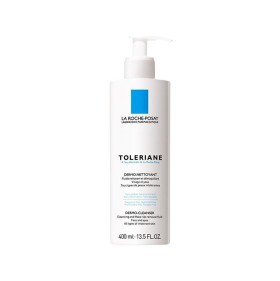
  • Toleriane Dermo-Nettoyant. A cleansing emulsion without rinsing, for skin that can’t even tolerate tap water. The gentlest starting point.
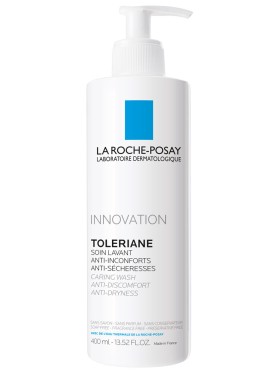
  • Toleriane Caring Wash. A creamy cleanser with water, for daily cleansing without a tightening sensation.
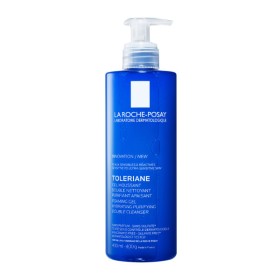
  • Toleriane Foaming Gel Double Cleanser. A foaming gel for double cleansing when there’s makeup or sunscreen to remove, but the skin remains sensitive.
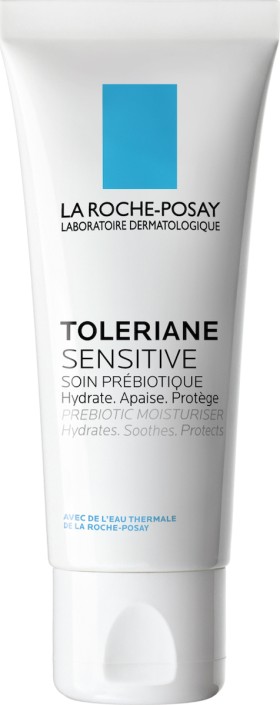
  • Toleriane Sensitive. The line’s classic moisturizing cream, with a richer texture, for normal to dry sensitive skin.
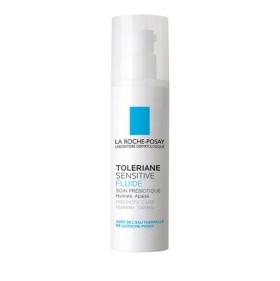
  • Toleriane Sensitive Fluid. The same logic in a light, fluid texture, for combination or oilier sensitive skin.
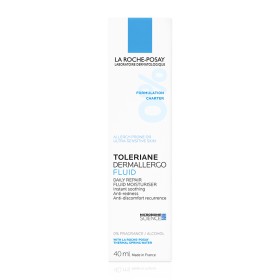
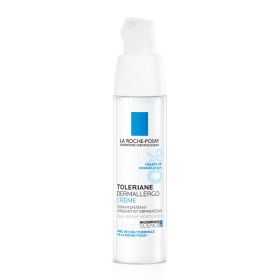
  • Toleriane Dermallergo Cream and Fluid. The most restrictive version, with a reduced number of ingredients and an airtight pump, for skin prone to allergic reactions. The cream for drier skin, the fluid for a lighter effect.
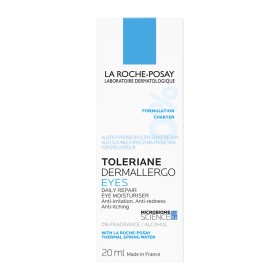
  • Toleriane Dermallergo Eyes. For the eyelid and the area around the eye, where the skin is thinner and reacts more easily.
  • Toleriane Rosaliac AR Concentrate. A serum for skin prone to diffuse redness and visible blood vessels.
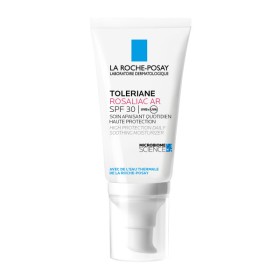
  • Toleriane Rosaliac AR SPF30. The hydrating with sunscreen, because the sun worsens the appearance of redness.
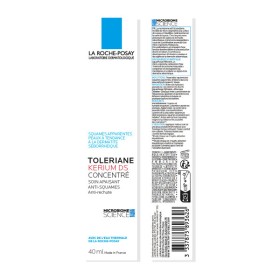
  • Toleriane Kerium DS Concentrate. Targeted facial care for areas with flaking and redness in zones like the nose folds and eyebrows.
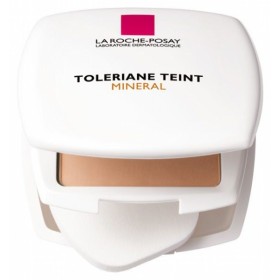
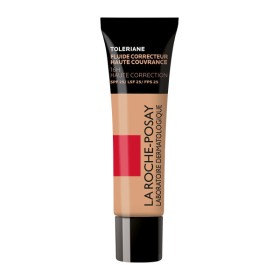
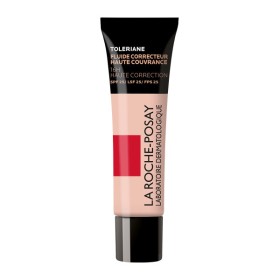
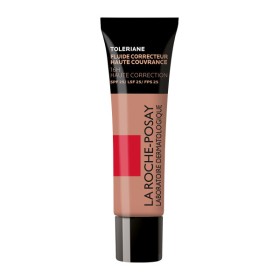
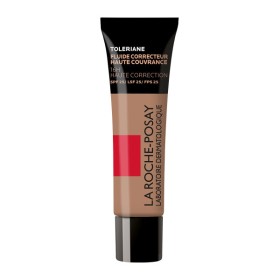
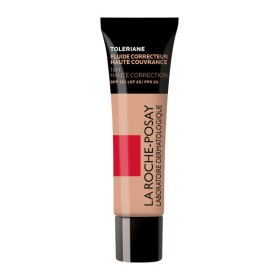
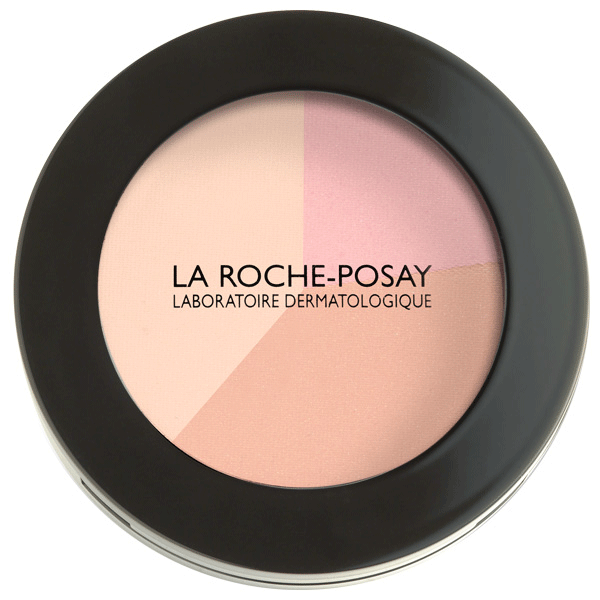
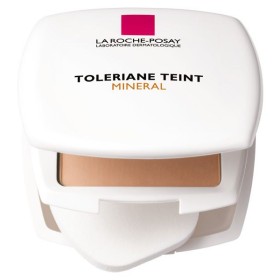
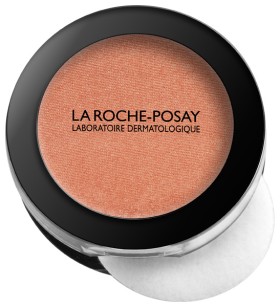
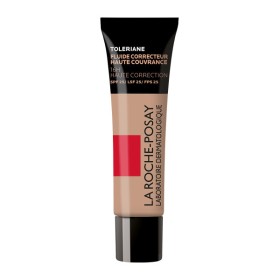
  • Toleriane Teint. The line’s makeup, with foundation in liquid form and SPF25, Mineral powder, setting powder, and blush, designed with the same tolerance criteria.
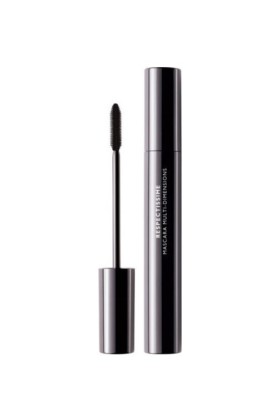
  • Toleriane Mascara. Mascara tested for sensitive eyes and for contact lens wearers.
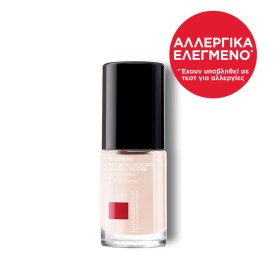
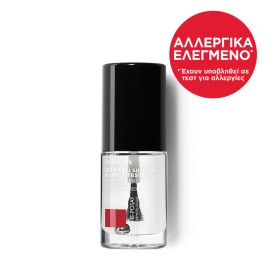
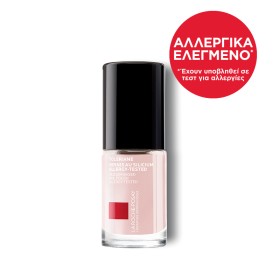
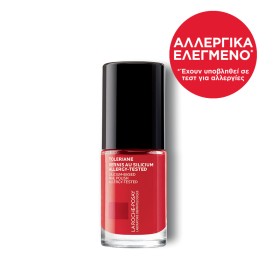
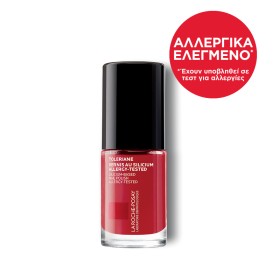
  • Toleriane Silicium Nail Polish. Nail polishes of the same tolerance philosophy.

When People Use It

When every new cream ends in tingling and the cabinet fills with half-empty jars. After a period with many active ingredients, acids, or retinoids, when the skin has reached its limits. In people diagnosed with a tendency toward redness and looking for a base for the face. In women during pregnancy or menopause, when the skin changes behavior. And in anyone who simply has very thin skin and lives in a climate with heat, cold, or air conditioning all day.

Toleriane products are cosmetics, not medicines. If you have persistent intense redness with pustules, an outbreak of itching with discharge, sudden swelling, or a reaction that spreads, you need a dermatologist. If you suspect contact allergy to a specific ingredient, only a dermatological patch test can identify it.

Common Questions

What’s the difference between Toleriane and Cicaplast?

They are two different logics. Toleriane is about daily tolerance, meaning it’s the routine of a skin that reacts to everything and you use it continuously. Cicaplast is about regeneration and caring for a distressed, irritated, or dehydrated area for a period, until the surface calms down. Many use Cicaplast in an episode and Toleriane as a year-round base.

What’s the difference between Toleriane Sensitive and Toleriane Dermallergo?

Both target sensitive skin. Dermallergo has an even more restricted ingredient list and airtight packaging, and targets skin prone to allergic reactions. If Sensitive makes you tingle, Dermallergo is the next step down in ingredient load.

Does the line contain fragrance?

The Toleriane skincare formulas are designed without fragrance, parabens, or alcohol. However, because the composition varies from code to code, always check the ingredient list on the specific packaging or ask the pharmacist.

Is it for babies and young children?

Toleriane is primarily for teenagers and adults. For babies and young children, La Roche-Posay has other lines. Ask the pediatrician or pharmacist and read the instructions on each packaging.

Can I use it during pregnancy?

The simple hydrators and cleansers in the line are usually used without issue, but the final decision isn’t made from a webpage online. Consult your gynecologist or pharmacist.

Does it combine with other La Roche-Posay lines?

Yes. Many use Toleriane as a cleanser and hydrating base, and add targeted products from other lines. If, however, your skin is in a phase of intense intolerance, simplify the routine to three steps—cleansing, hydration, sunscreen—and gradually add back.

Is it for acne or oiliness?

No, it’s not designed for that. For oily skin with a tendency toward imperfections, La Roche-Posay has the Effaclar line. Acne is a condition and if it’s severe, it needs a dermatologist. Toleriane may only be useful as a gentle base when the skin has been irritated by other products.

Will it do anything for rosacea?

Rosacea is a medical diagnosis and needs a dermatologist. The Rosaliac products in Toleriane are cosmetics and target the appearance of redness and skin tolerance, so they can accompany the treatment your doctor gives you, not replace it.

How soon will I see a difference?

The feeling of comfort usually changes from the first applications. But to truly calm intolerant skin, it takes four to six weeks of consistent, simple routine without experimentation.

How are the products stored?

At room temperature, away from direct sunlight and humidity. Close the packaging well and respect the expiration date after opening indicated by the open jar symbol.

Cosmetic products. The mentioned effects refer to cosmetic action, according to Regulation (EC) 1223/2009. The text is for informational purposes and does not replace the advice of a doctor or pharmacist.

28 Products


//